Barcode traceability on incoming castings
Most casting traceability breaks at the blast line, where paint, labels and etched codes are stripped by abrasive. Learn the marking methods and MES read points that keep a casting identifiable from receiving to release.
Why the mark has to survive the blast
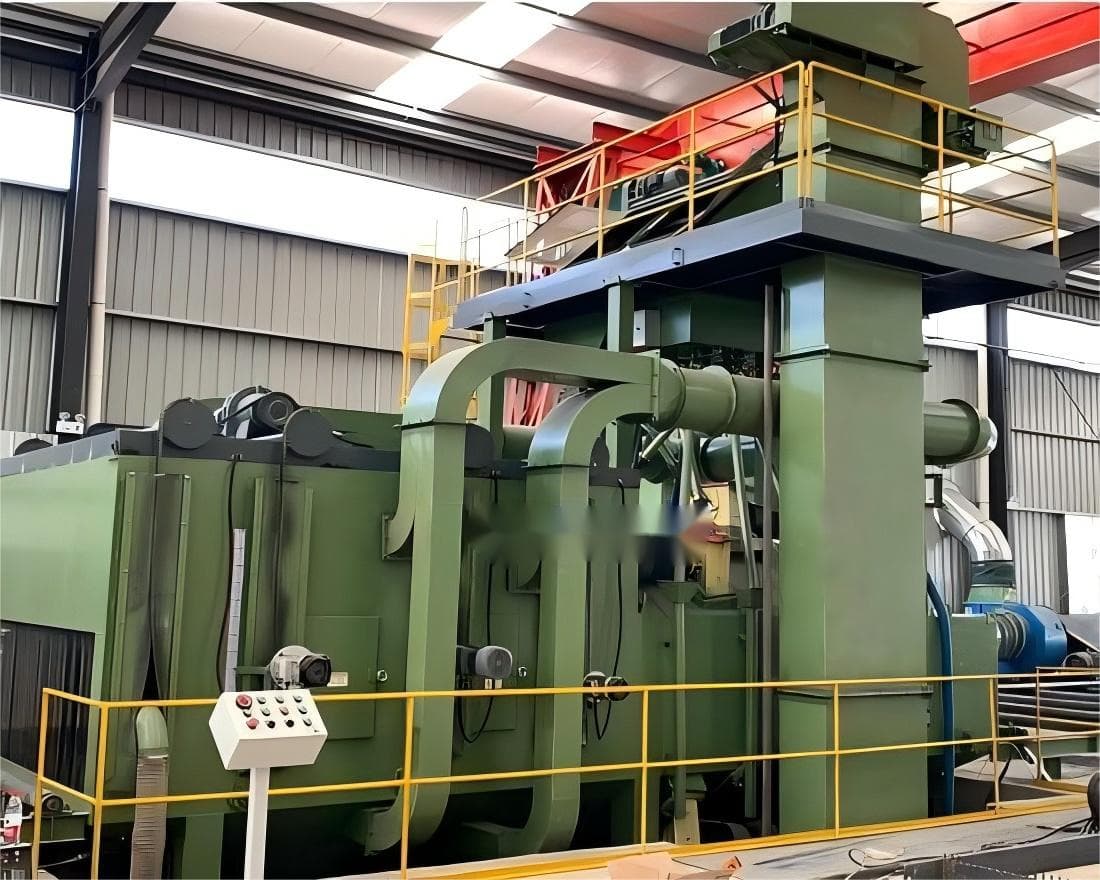
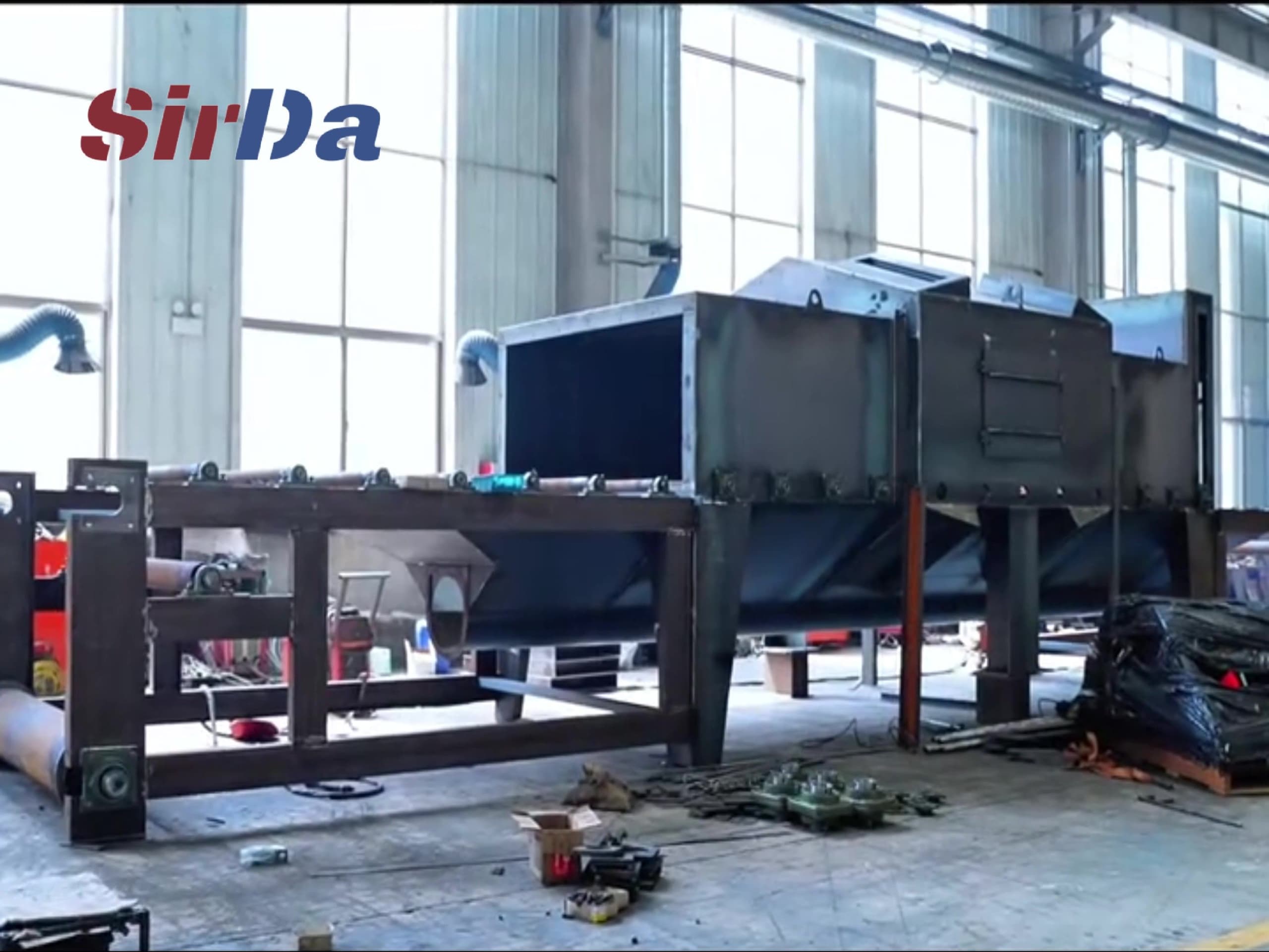
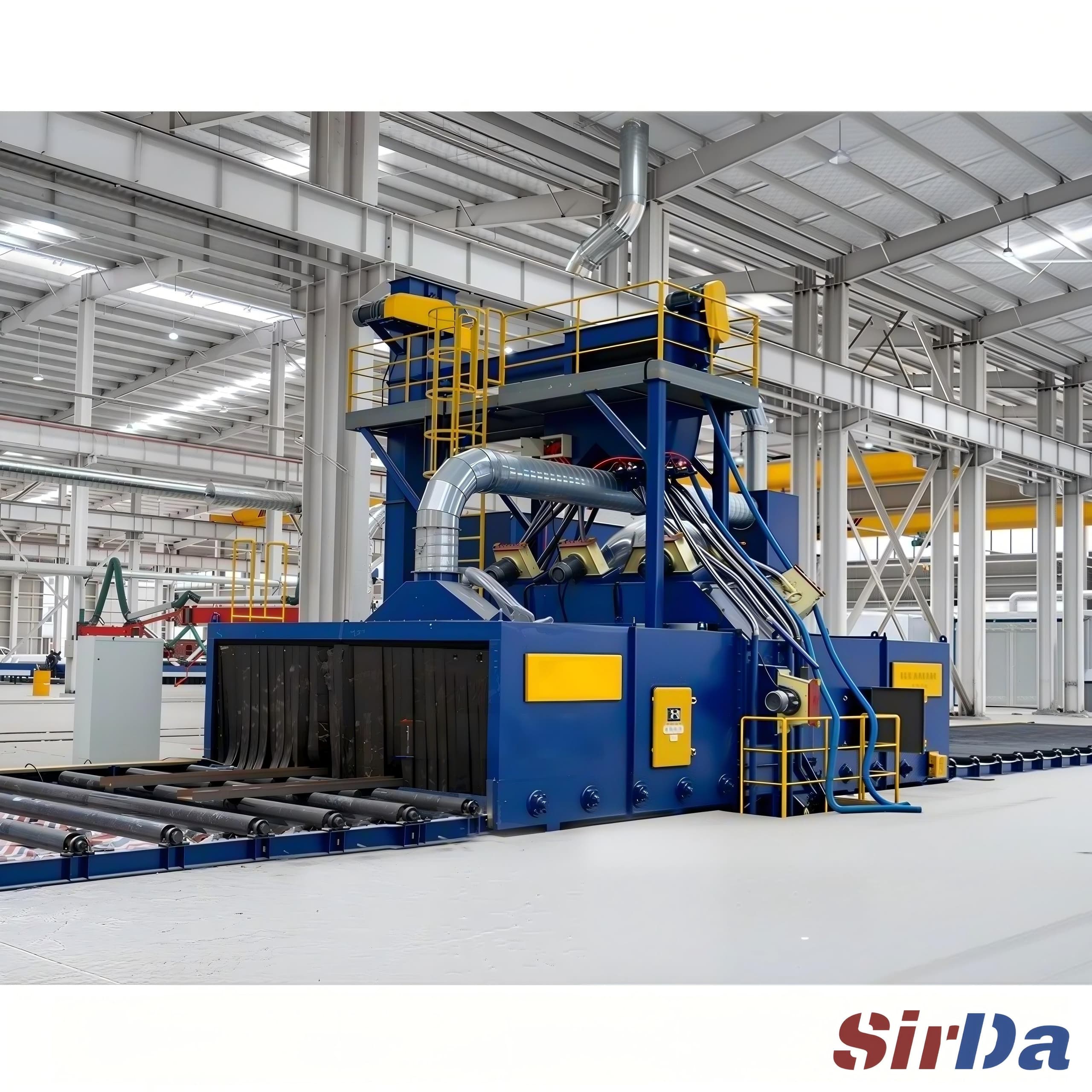
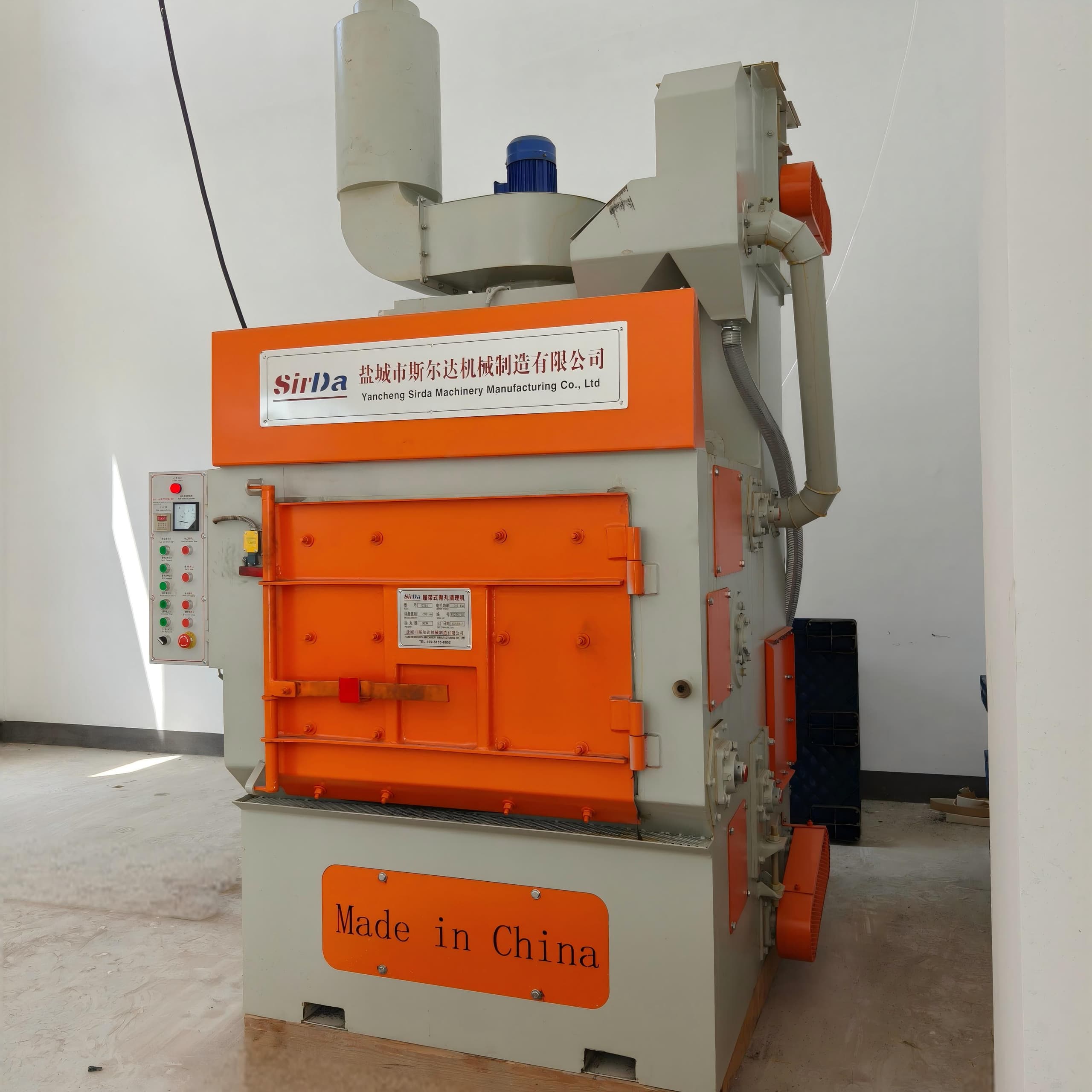
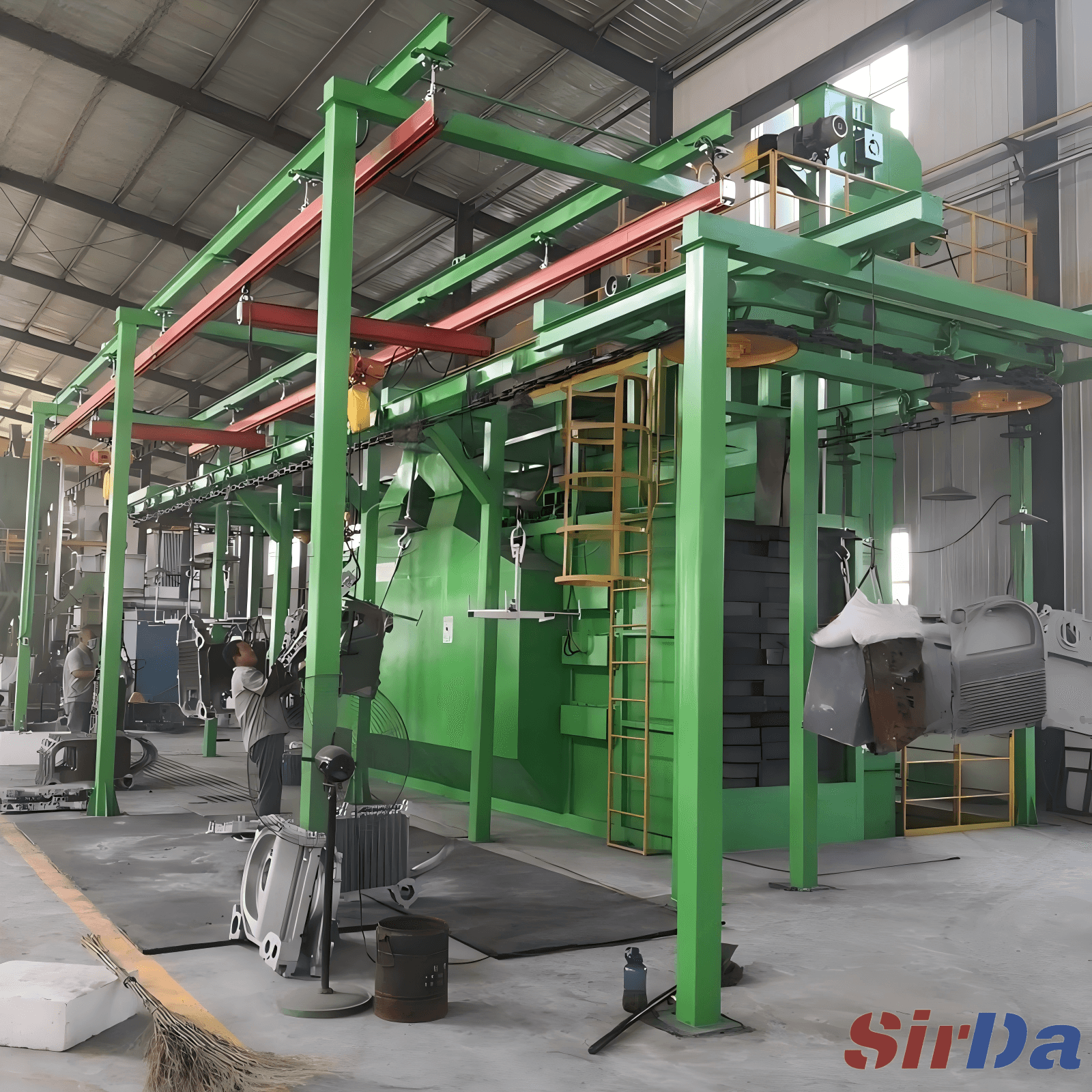
A traceability system is only as strong as the weakest identifier on the part. In most foundries the castings arrive with a tag, a painted code, or a printed label stuck to the surface. That identifier is fine in the yard, but it does not survive the first real operation. When the casting enters the shot blasting line the abrasive stream strips paint, peels labels, and fills engraved characters with blast media. By the time the part leaves the wheel blast cabinet the code that was supposed to follow it through the whole route is gone, and with it the link back to the heat, the melt chemistry, and the inspection record.
This is the central rule of casting traceability: the mark must outlast the surface preparation, not just the paperwork. A code that disappears during cleaning is worse than no code, because it creates the illusion of traceability while quietly breaking the chain.
Where the code gets read on the line
Traceability is built from read events, not from a single scan. On a typical blast-and-clean line the casting is identified at several points, and each read both confirms the part and writes a new line to its genealogy record.
- Receiving gate. The casting or its carrier is scanned the moment it enters the plant. The heat number is tied to the material certificate (CoA) and to the internal batch record before the part moves anywhere.
- Pre-blast check. A vision or scanner read just before the blast cabinet verifies the code is still legible after shakeout, fettling, or handling. If it is not, the part is routed to re-marking before it loses identity.
- Post-blast confirmation. A second read after the wheel blast confirms the mark survived the abrasive stream. This is the point where most label-based systems fail.
- Infeed conveyor portal. As the casting rides the chain or roller conveyor into the machine, a portal reader captures the ID without stopping the line, linking the part to the specific blast program, dwell time, and impeller parameters used on it.
Each of these reads should write a timestamped event to the MES so that a later defect can be traced forward to every part from the same heat, or backward from a field return to the exact melt and die.
Choosing a marking method that lasts
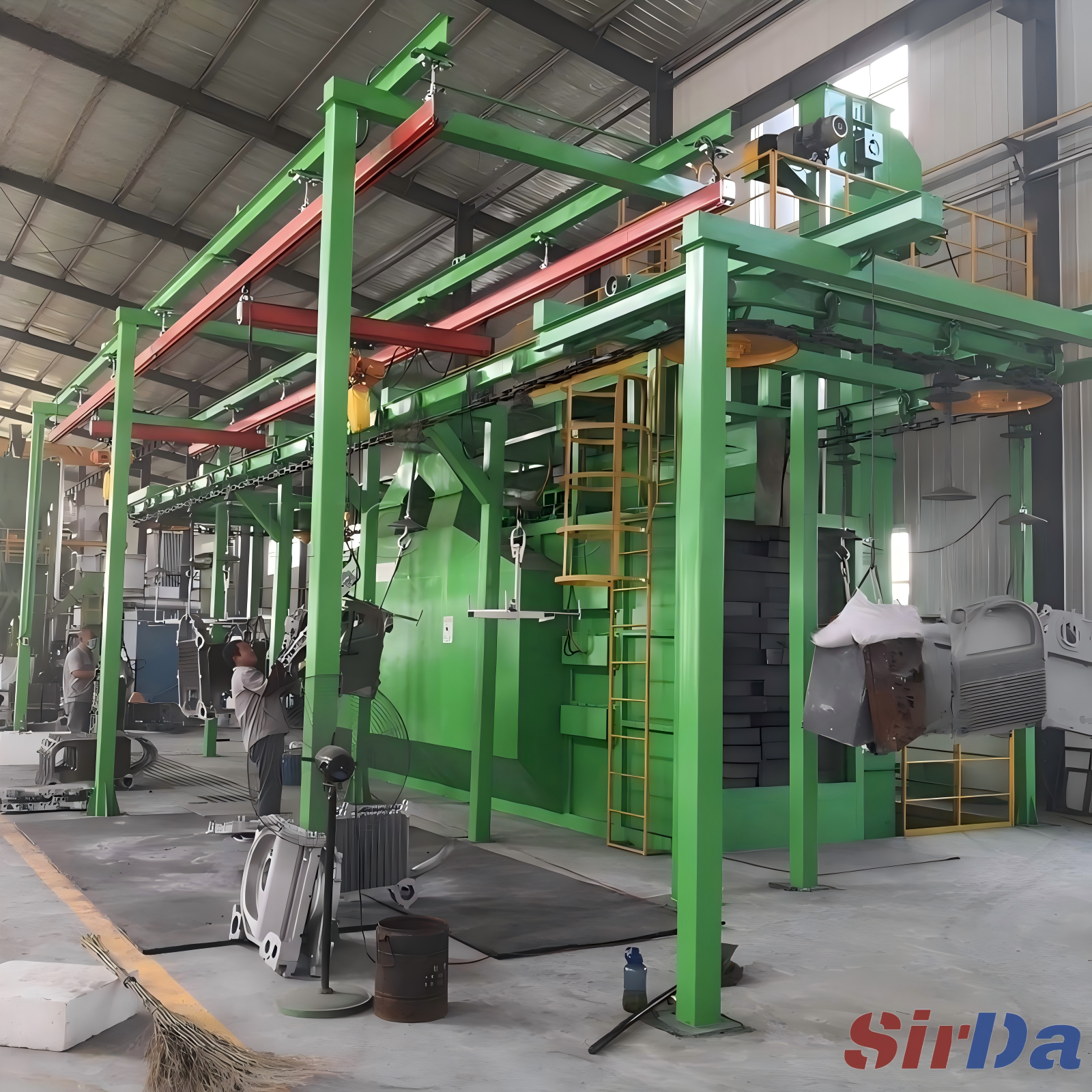
Not every marking method survives contact with steel shot. The choice comes down to how aggressively the part is processed downstream.
Laser engraving and dot-peening cut or indent a permanent mark below the surface skin. When the laser depth is calibrated to survive shot blasting, CNC machining, and even powder coating, the code stays machine-readable through the entire finishing sequence. Cast-in codes — cavity IDs or foundry marks molded directly into the tool — are the most robust of all, because the identifier is part of the casting itself and cannot be removed.
By contrast, 2D matrix labels and adhesive tags are high-density and cheap to apply, but they are consumable. They fall off under tumbling, burn off near heat treatment, and are stripped by the blast. Use them only for carriers, pallets, and work orders — never as the unit-level identity of the casting when the route includes blasting.
The survival test is simple: take a marked sample through the full process and read it at the end. If the scanner cannot resolve the code after the blast, the marking method is wrong, regardless of how readable it looked at the gate.
Traceability failure modes that quietly break the chain
Most traceability breakdowns are not software problems, they are discipline problems. The usual suspects:
- Paper travelers scanned weeks later. Heat numbers recorded on paper and keyed in long after the pour lose the link to live process data and to the parts that have already shipped.
- Chemistry stored on the spectrometer PC. Spectrometer results that never leave the instrument are not traceability; they have to be linked to the heat in the MES at the time of the pour.
- Mixed heats in one mold lot. When two heats are poured into a single lot without documentation, a single defect can implicate thousands of unrelated parts, or miss the ones that matter.
- Lot-level vs unit-level confusion. Serializing every casting is expensive and often unnecessary; many contracts are satisfied by lot or heat traceability. But when a multi-cavity die is involved, a shared lot label can punish a sound cavity for a defect in its neighbour — the "cavity collapse" problem. Define the trace grain before you commit to hardware.
- Unverified clock sync. If the scanner, furnace, and MES clocks drift, time-based joins between a quality event and a process record become guesses. Record synchronization status, not just timestamps.
The fix is mostly process discipline plus a single place to link records. Run a mock recall on a real lot every quarter: start from a shipped casting and reconstruct its full history in under a few hours. If you cannot, the chain is already broken and you will only find out during a customer escape.