Total cost of ownership beyond the purchase price
A shot blasting machine's sticker price is paid once, but the operating cost runs for fifteen years and usually dwarfs the invoice. This guide models the four cost centres that decide true ownership: blast-wheel wear parts and their replacement intervals, abrasive make-up rate versus recycle life, the energy gap between wheel and air blasting, and the separator tuning that quietly wastes both media and parts.
The purchase price is the smallest number on the spreadsheet
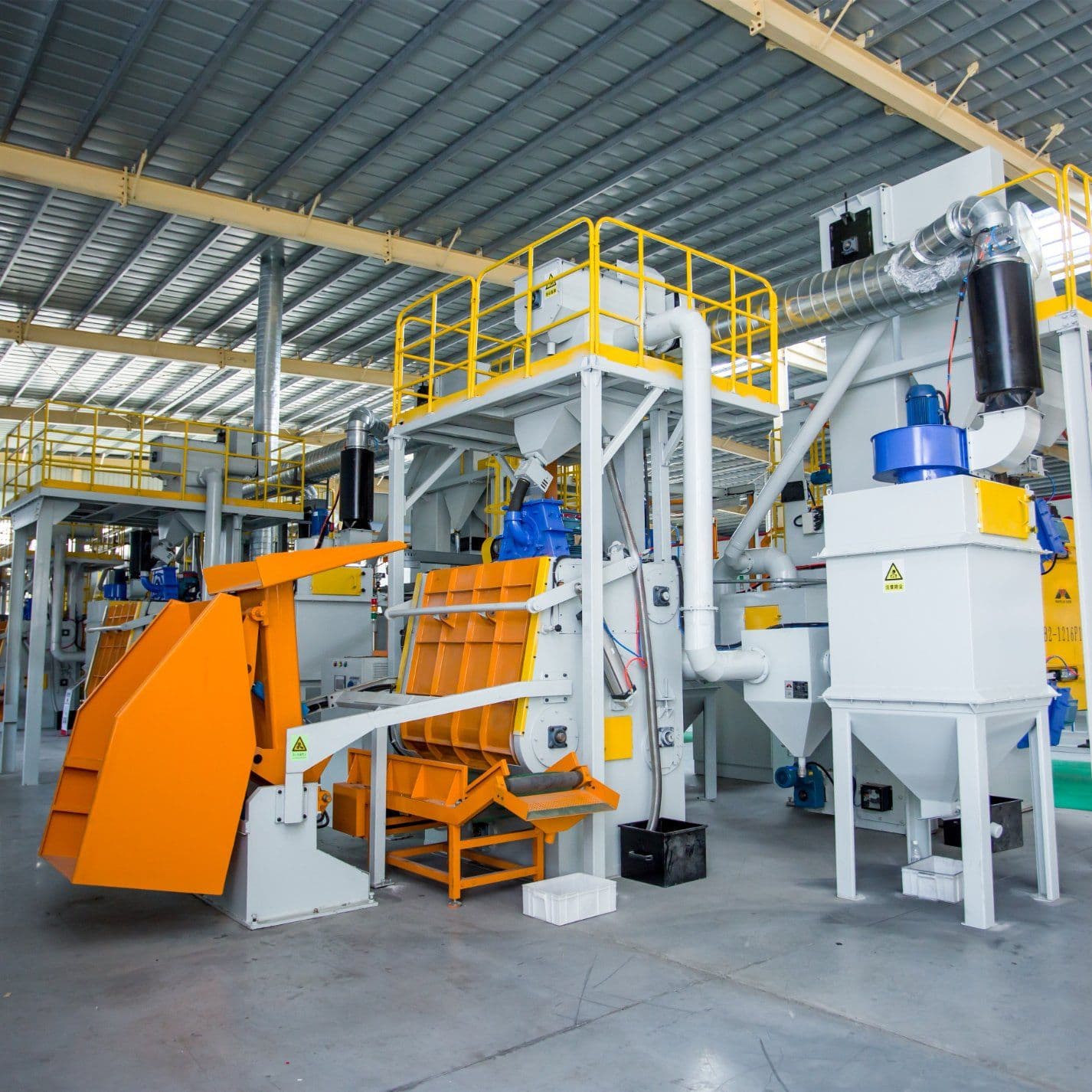
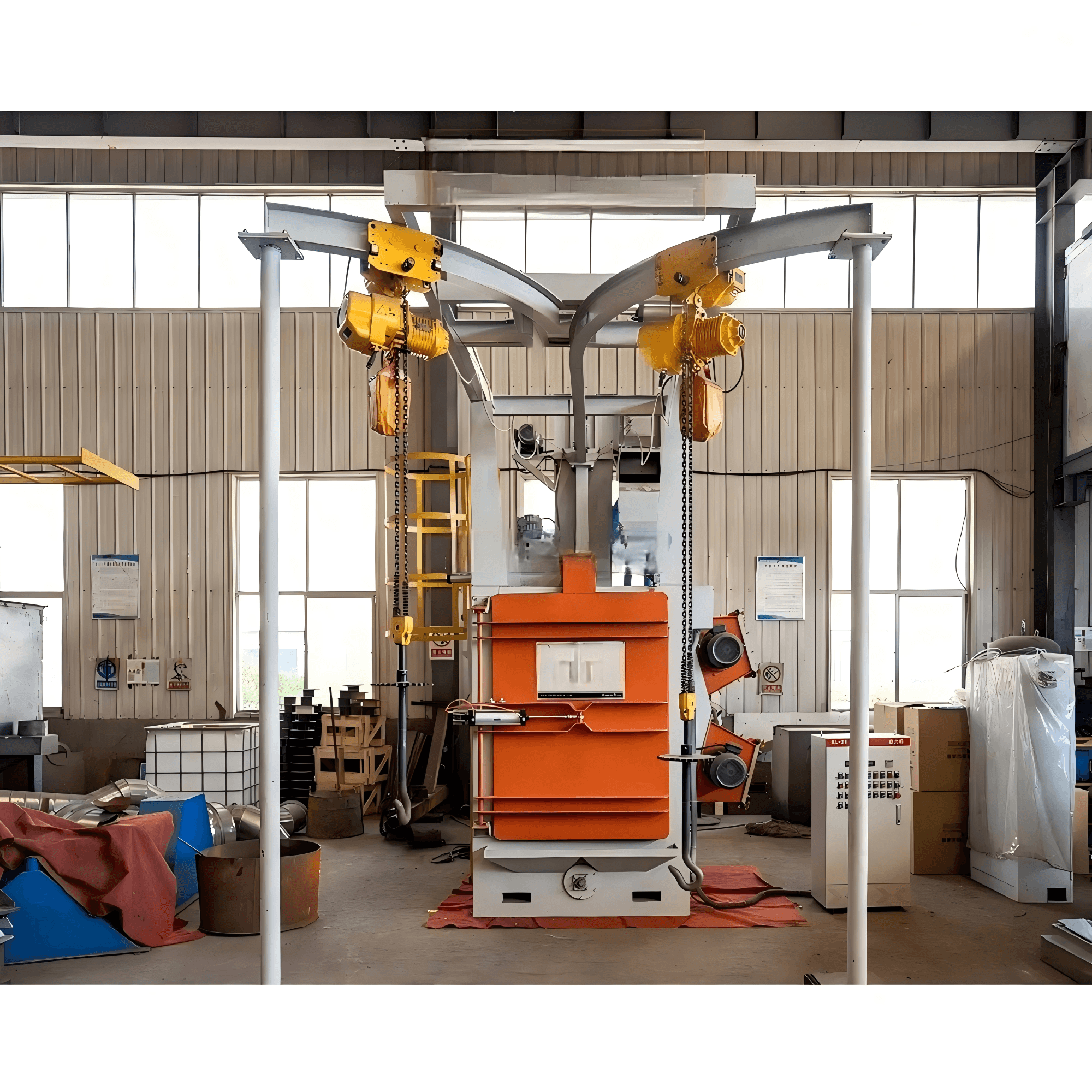
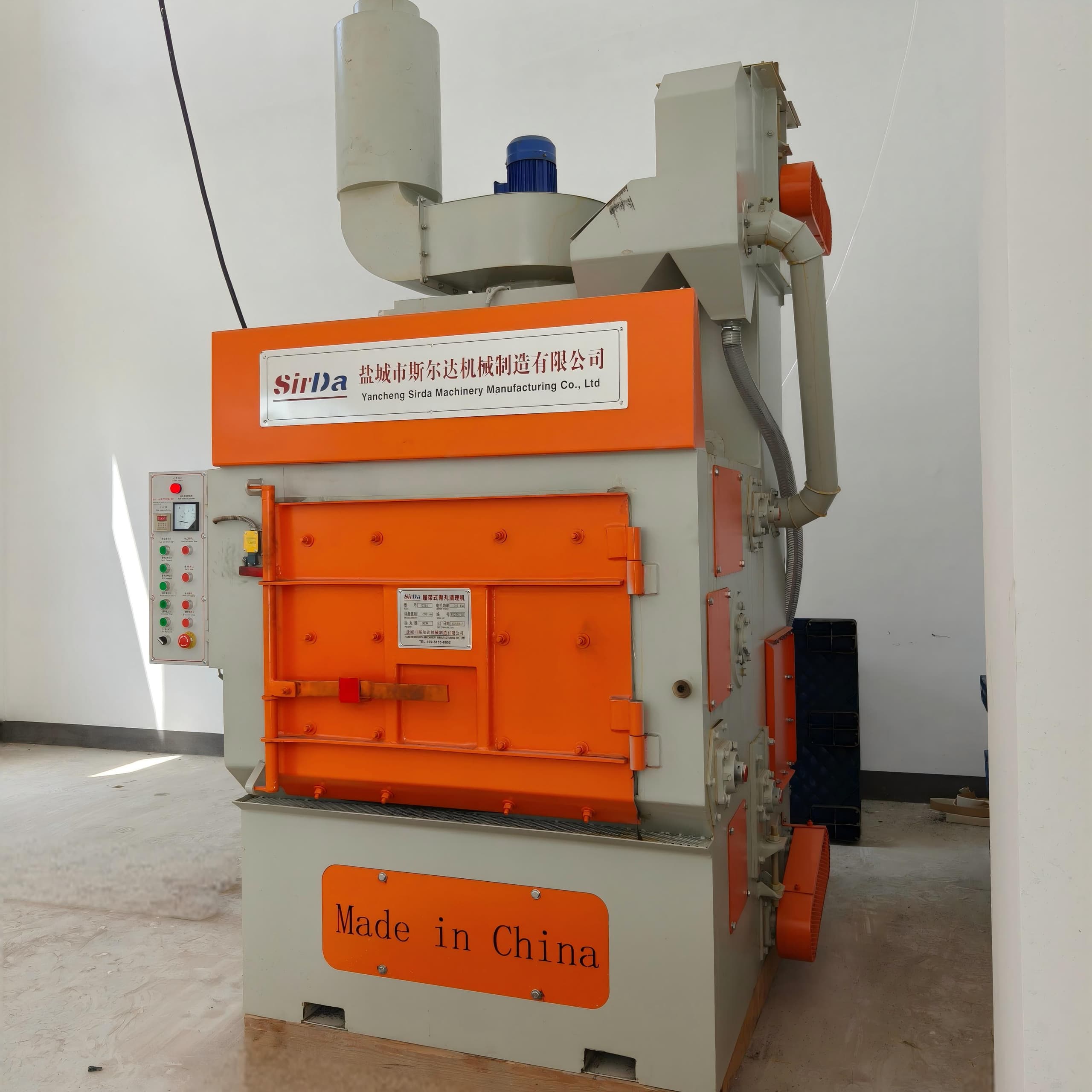
When a blast machine shows up on a capital request, the figure everyone argues over is the sticker price. That is also the least interesting number on the page. A tumble-belt unit might land at thirty to one hundred thousand dollars, a roller conveyor line at one hundred fifty to four hundred thousand, and a custom blast room well past a million — but those numbers are paid once. What you pay every single week for the next fifteen years is the operating cost, and that total routinely dwarfs the invoice.
The first question is not "can we afford the machine" but "do we run enough volume to own one." A break-even analysis on in-house versus outsourced blasting typically flips in favour of buying once you process more than roughly fifty to one hundred tonnes a year. Below that, a service provider absorbs the wear parts, the media loss, and the electricity, and you pay only for square metres cleaned. Above it, every kilogram of steel you blast in-house stops being a line-item to a vendor and starts being a cost you control.
Wear parts: the blast wheel is where the money leaks
The blast wheel is the heart of an airless machine, and it is also the component that turns your budget into shavings. The wheel throws abrasive by centrifugal force alone — no compressed air — but the same impact that cleans the part chews the wheel from the inside out. The parts that wear are predictable: the blades (usually high-chrome cast iron), the control cage (wear-resistant steel), the side liners (manganese steel), the rubber or polyurethane seals, and eventually the cartridge filters in the dust collector.
Blade life runs six hundred to twelve hundred operating hours depending on the abrasive and the wheel speed, and a worn blade is not just a replacement cost — it throws the abrasive stream off-target, which means more media lost and a worse finish. The control cage is replaced once its opening grows beyond about six millimetres. Vendors typically suggest a preventive cycle of two to four hundred hours on the wheel, eight hundred to twelve hundred on the liners, and fifteen hundred to two thousand on the dust collector cartridge set. Replacement across a wheel can run five hundred to three thousand dollars, and well-maintained systems still spend five to ten percent of the original equipment value on maintenance every year. The discipline that pays here is simple: inspect on a calendar, not on a breakdown.
- Replace blades at half-wear, never at failure — a balanced set throws straighter and burns less media.
- Keep the control cage opening within tolerance; an oversized window scatters shot into the cabinet wall.
- Log every blade change with hours run; a sudden drop in blade life signals contaminated or wrong-size media.
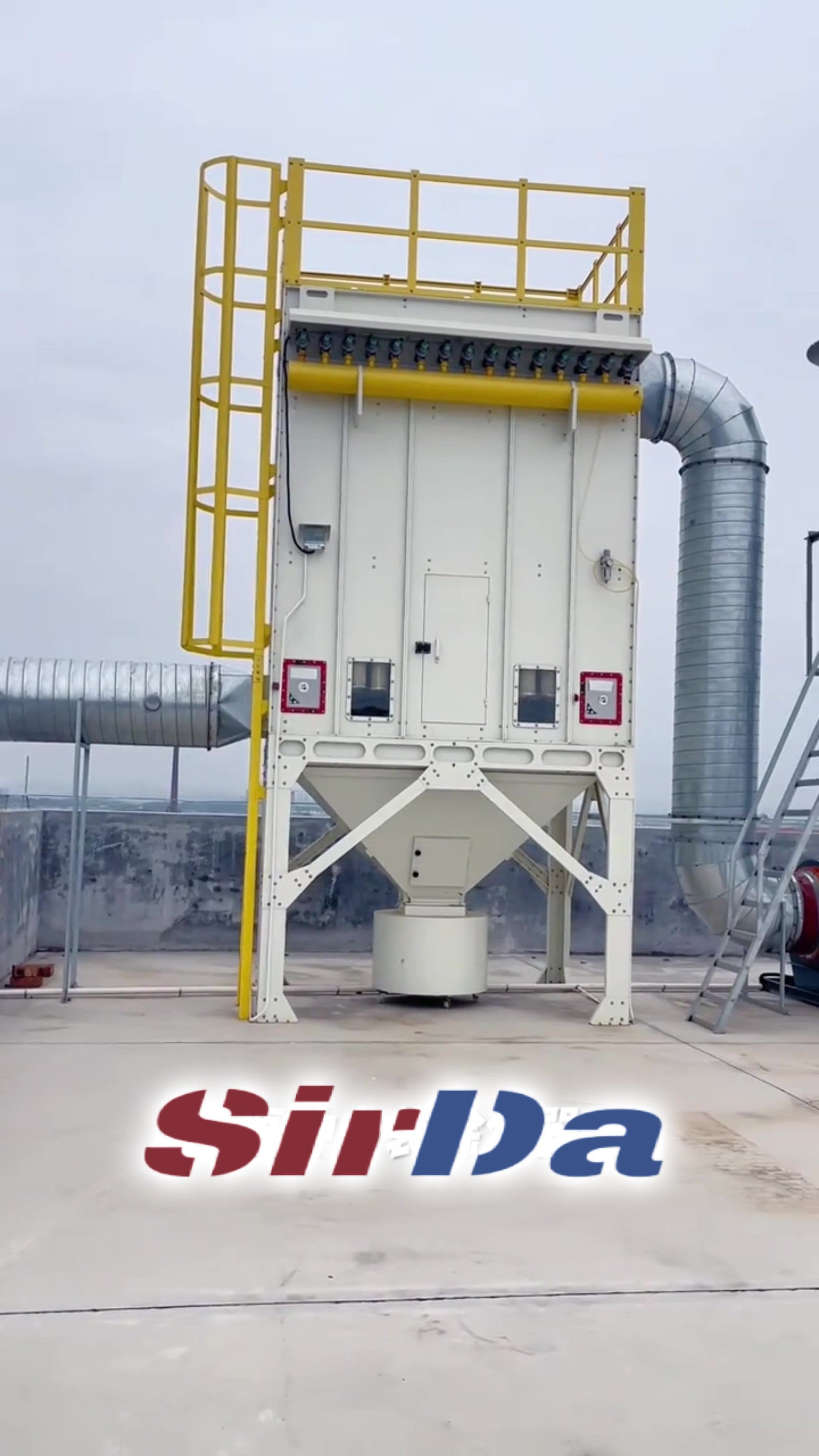
- Treat the dust collector cartridge as a wear item, not a permanent fixture — clogged media drops suction and raises particulate.
Media is a make-up cost, not a purchase cost
The single biggest misunderstanding in blast budgeting is treating abrasive as something you buy by the tonne. In a closed wheel machine, steel shot is consumed only by attrition: it recirculates, gets cleaned in the air-wash separator, and goes back to the wheel. Good carbon steel shot survives seven hundred to several thousand passes before it breaks down, so the real cost is the make-up rate — the small amount you add to replace what fractured.
For a Sa 2.5 finish on structural steel, normal make-up runs about 0.3 to 0.8 kilograms per square metre. The number to watch is the trend, not the snapshot: a sustained climb above that band almost always means impeller wear, a seal leak letting shot escape, or the wrong shot size letting fines accumulate. Compare that to silica sand, which you use exactly once and which costs fourteen to eighteen times more per square metre once you add the haul-away and the oversized dust system it demands. Steel shot at bulk price is four to eight tenths of a dollar per kilogram; the spend that matters is how little of it you lose, not how much you bought.
Energy and the separator that quietly wastes both
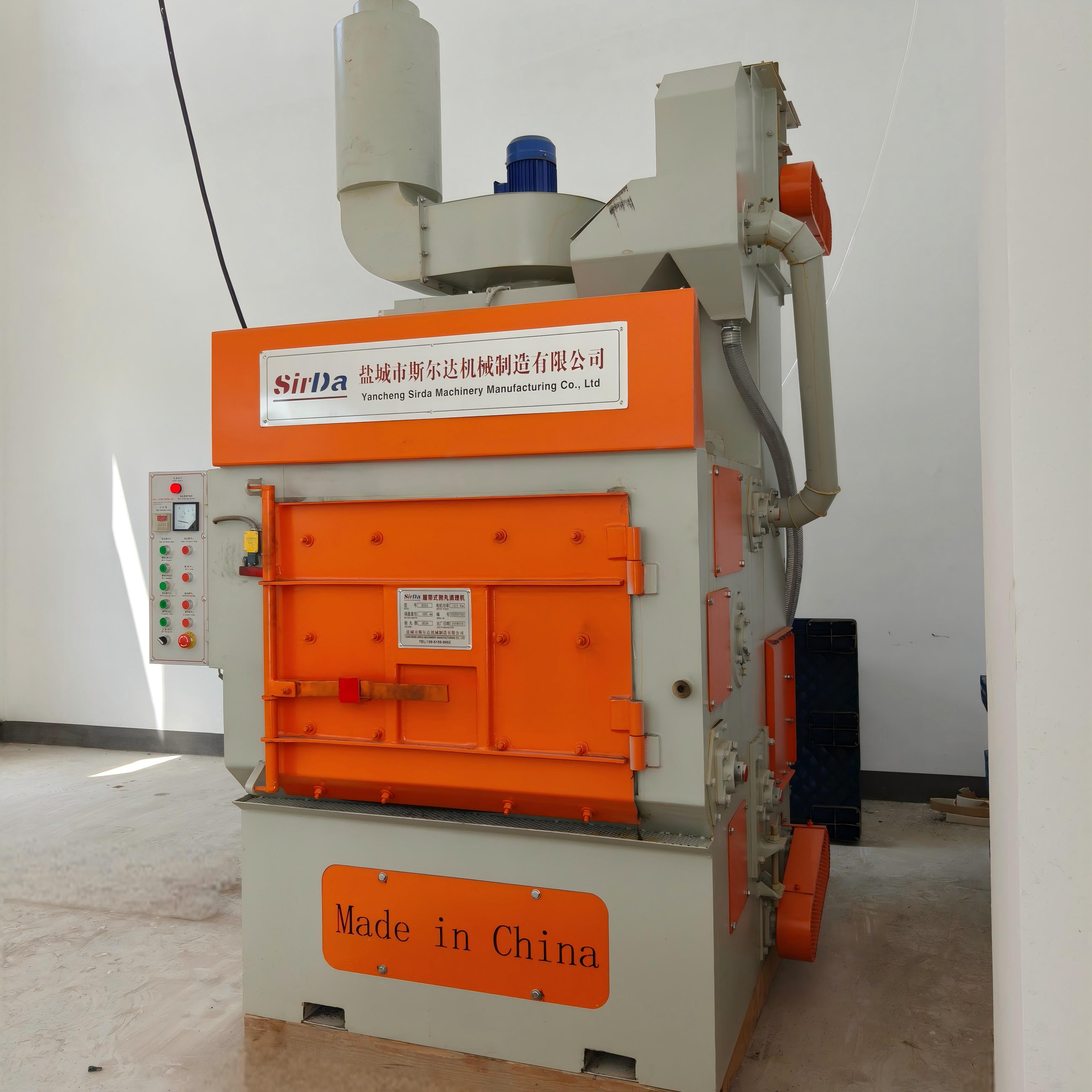
Wheel blasting is cheap to run for a reason most buyers never see on the quote. A single industrial wheel of roughly 380 millimetres at 15 kilowatts throws around 240 kilograms of shot per minute. The same kilograms delivered by compressed-air nozzles would need roughly 130 kilowatts of compressor — about seventeen times the installed power for the identical result. Specified energy lands near 0.05 kilowatt-hours per kilogram for a wheel versus over 1.1 for air blasting.
But the wheel's efficiency is only as good as the separator feeding it. A poorly tuned air-wash lets fine broken media and dust ride back into the stream, softening impact and accelerating blade wear — so you pay twice, in media and in parts. The dust collector is the parallel system: sized for four thousand to fifteen thousand cubic metres per hour, cleaned by pulse-jet, and the second-largest maintenance item after the wheel when you count the screw conveyor and elevator that move abrasive around the loop. Tune the separator, keep the pulse pressure at spec, and the same machine costs noticeably less to own.