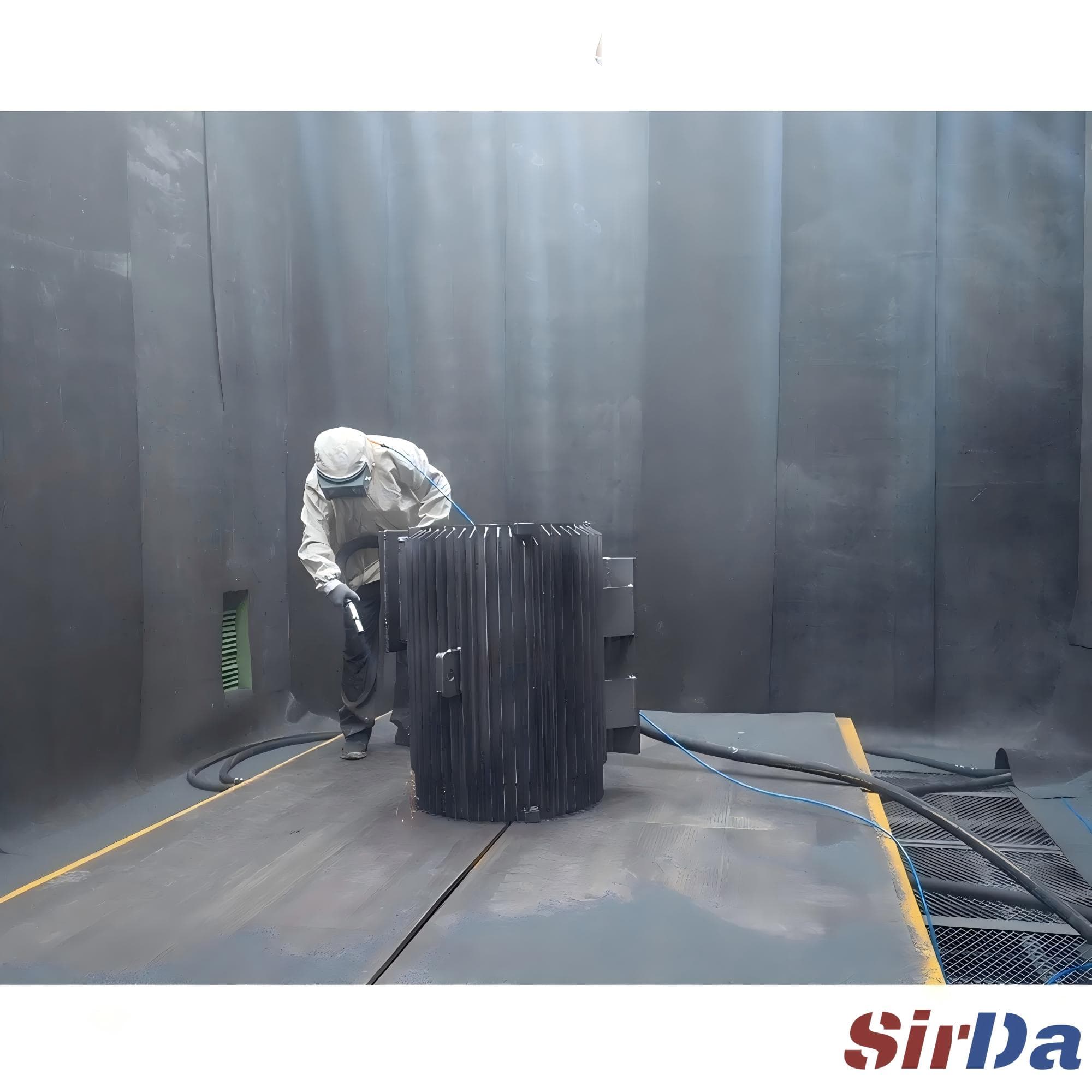
Reading a shot blasting machine quotation properly
Two shot blasting machine quotations that look identical on price can hide very different blast wheels, separators and dust collectors. This guide explains how to read each line item, check abrasive consumption and throughput, and spot the quotes that left something out.
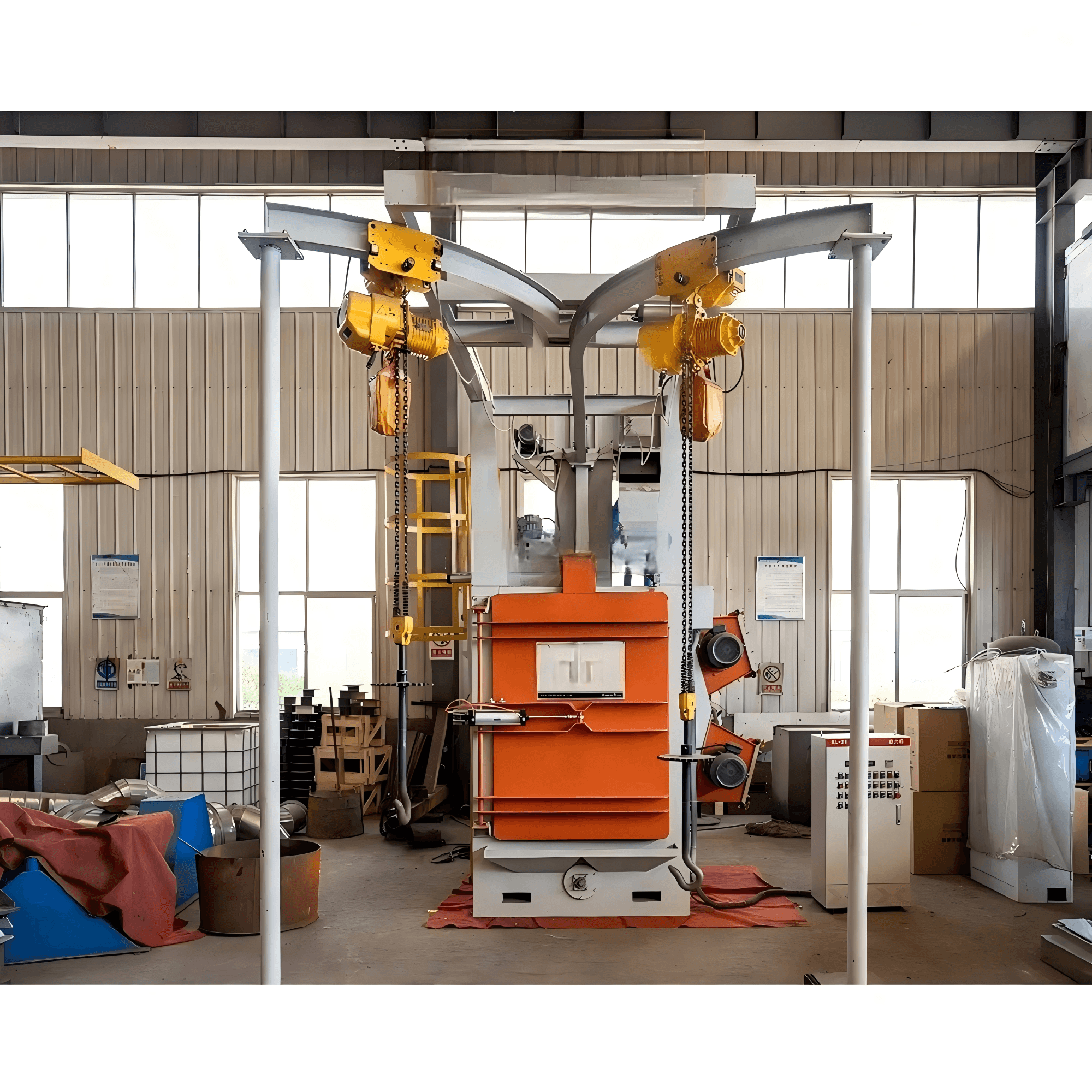
Why the quotation line items matter more than the total
A shot blasting machine quotation is not a single number. It is a list of subsystems — blast wheels, abrasive recovery, separator, dust collector, controls — each of which carries most of the machine's real running cost. Two quotes that look similar on the bottom line can hide very different wheel counts, separator quality, or dust-collector capacity. The cheapest bid is usually the one that left something out.
Before comparing, give every supplier the same workpiece data: part type, maximum size and weight, material and starting condition (mill scale, rust, sand), the target cleaning grade and surface profile, and your hourly or per-shift throughput. A vague enquiry — "we need a shot blasting machine" — produces a vague quote that cannot be compared with anyone else's.
What every blast-wheel line should tell you
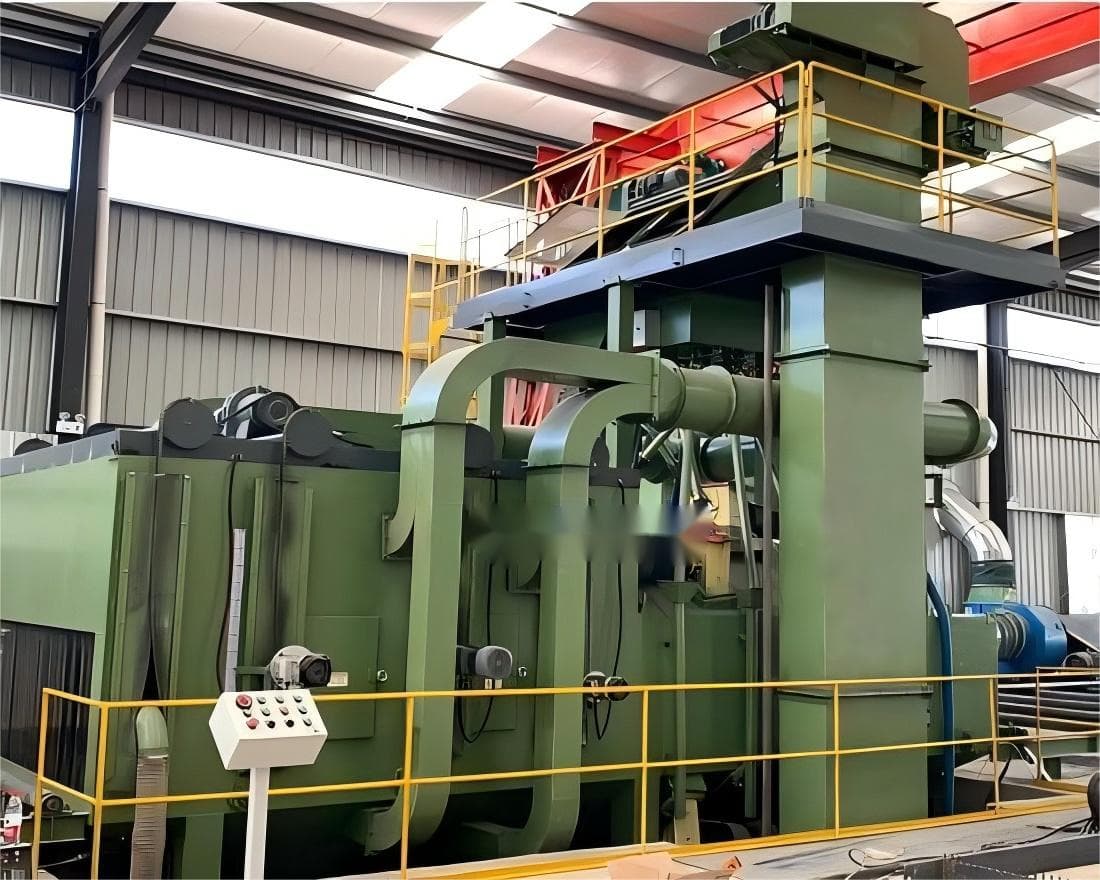
The blast wheel is where the machine actually does the work. Its specification is usually reduced to one number — motor kilowatts — but that figure is an input, not a result. What determines whether a surface reaches grade is abrasive flow multiplied by impact energy, spread evenly across the work.
- Abrasive flow per wheel (kg/min) — the mass the wheel can throw. A useful rule of thumb across Chinese-built wheels is roughly 16 kg/min for every kW of motor power; a quote promising far more for the same rating deserves a question.
- Rim speed (m/s) — set by wheel diameter and rpm; typical operating values sit around 57–62 m/s. Higher speed cleans faster but erodes blades harder.
- Wheel architecture — belt-driven, direct-driven, or curved-blade. These change chamber layout and maintenance, not just the nameplate.
- Blade and liner material — high-chrome cast iron blades and manganese-steel liners govern how long the wheel runs before downtime. Replacement is typically every 600–1200 operating hours depending on abrasive hardness and rpm.
Ask for the blade part number and the control-cage supplier. A quote that pins a wheel OEM and wear-part numbers protects you in year two; one that does not will bleed money through premature blade changes.
Abrasive consumption and the separator that controls it
Steel-shot consumption is the second-largest operating cost after electricity. Under normal conditions, Sa 2.5 cleaning on structural steel runs in the 0.3–0.8 kg/m² band. Any sustained rise above that range signals impeller wear, seal leakage, or the wrong shot size — all of which a weak quotation will eventually expose as downtime.
The separator decides how much of that abrasive is reused. A poor air-wash separator lets dust, broken shot, and debris back into the stream, which softens impact and wears blades. Check the declared abrasive recovery rate, not just the bucket-elevator capacity.
Match the media to the job: round steel shot (S-series) for a peened, smoother finish; angular steel grit (G-series) for a rougher, deeper profile. Abrasive diameter is set by the wheel hardware and the target profile depth, and shot hardness on the Rockwell C scale must be matched to the substrate to avoid embedding.
Dust collector: part of the machine, not an accessory
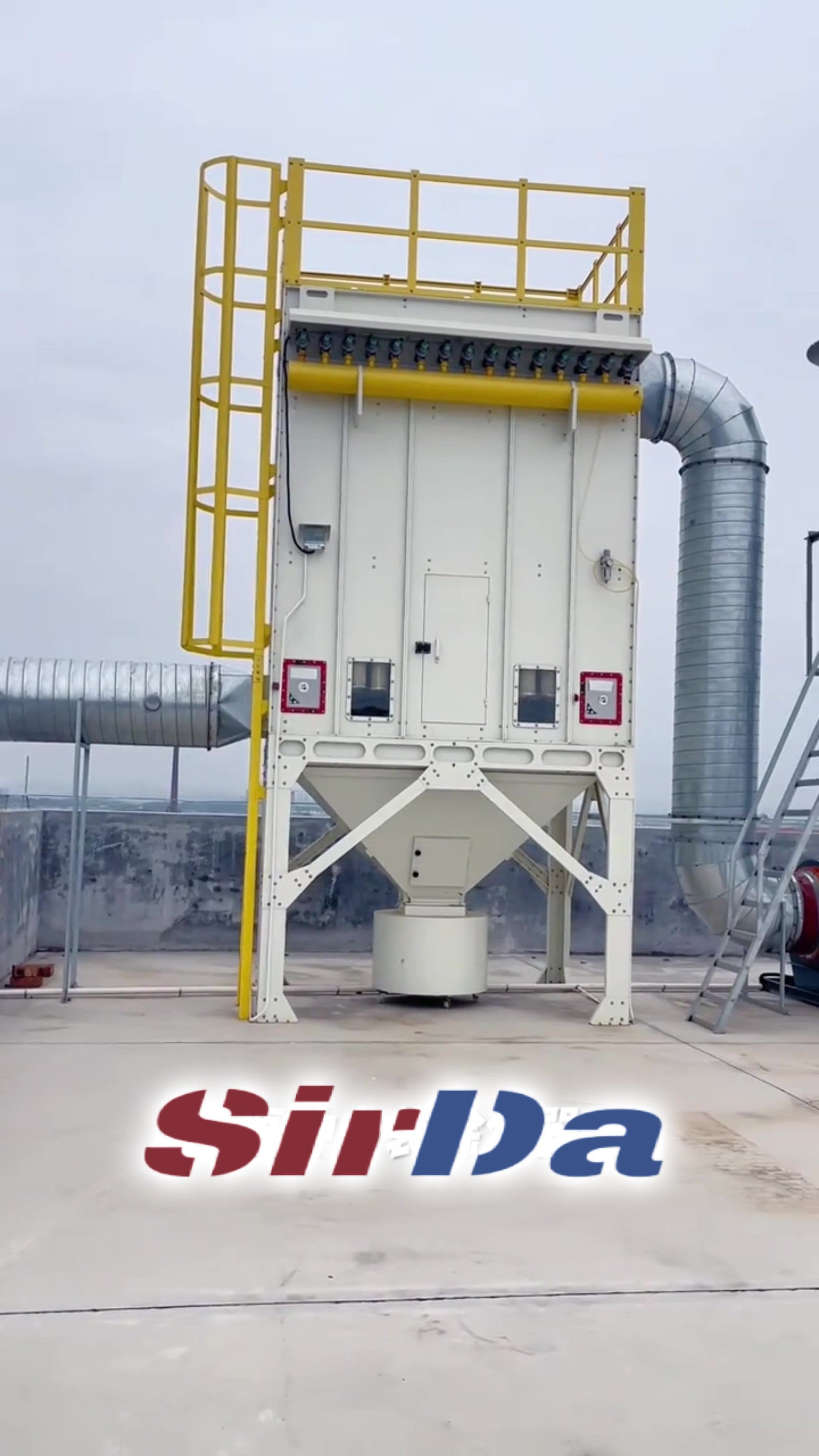
A wheel-blast machine generates a continuous high-volume dust stream, so the dust collector is not optional. On Chinese-built continuous and roller-conveyor units the standard is cartridge filtration with automatic pulse-jet cleaning, sized at roughly 8–15 m³/min per blast wheel.
When reading the quote, verify three things:
- Air volume (m³/h) and filter area — large enough for the chamber and the number of wheels.
- Declared emission (mg/Nm³) — plants bound by the EU Industrial Emissions Directive or US NESHAP need this confirmed before signing, not after.
- Fan power (kW) — part of the connected load you will pay for every hour the machine runs.
Dust-collector filter clogging drops suction and pushes airborne particulate above permissible levels; the cartridge filter area and pulse-jet pressure are hard constraints, not suggestions.
The rest of the list: throughput, noise, and what is actually included
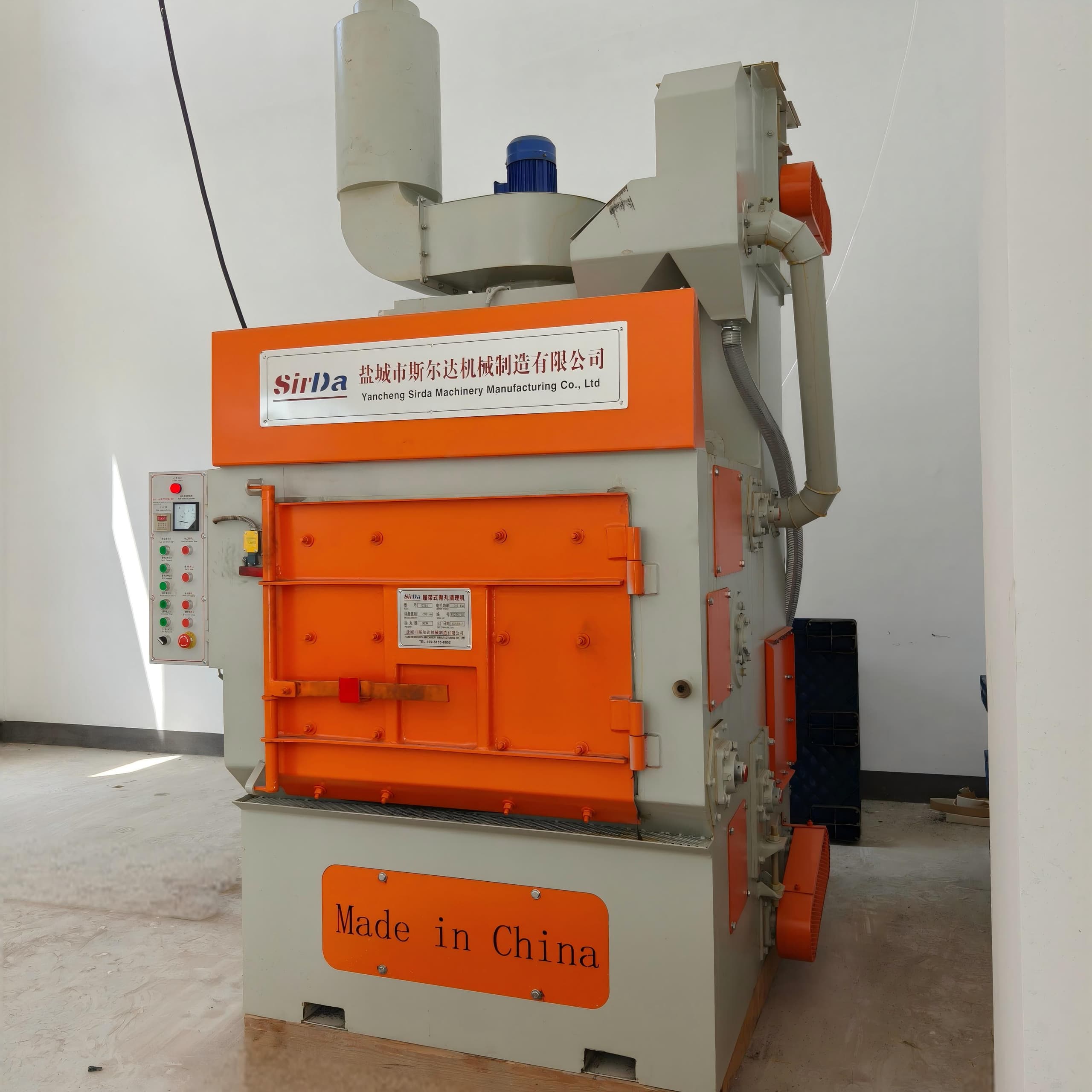
Throughput is the number that moves everything else. Fix a target in kg/h or m²/h, then check that conveyor or cycle speed supports it. A batch hanger machine and a continuous roller line are not interchangeable once you account for non-productive loading time. Confirm the quoted machine type against your daily tonnage before you compare prices.
Noise is the second environmental gate: wheel-blast cabins typically run 85–95 dB(A) at the operator station, so hearing-protection zones need to be designed into the cell from the layout stage.
Finally, read what is not on the page. A low price is often a quotation that omitted the dust collector, the separator, loading and unloading equipment, spare parts, installation, commissioning, or operator training. Always ask for a clear equipment list and the warranty's wear-part exclusions. The supplier who itemises everything is easier to compare, easier to commission, and cheaper to own than the one whose bottom line hides the gaps.