Lighting and visibility inside the blast cabinet: catching defects early
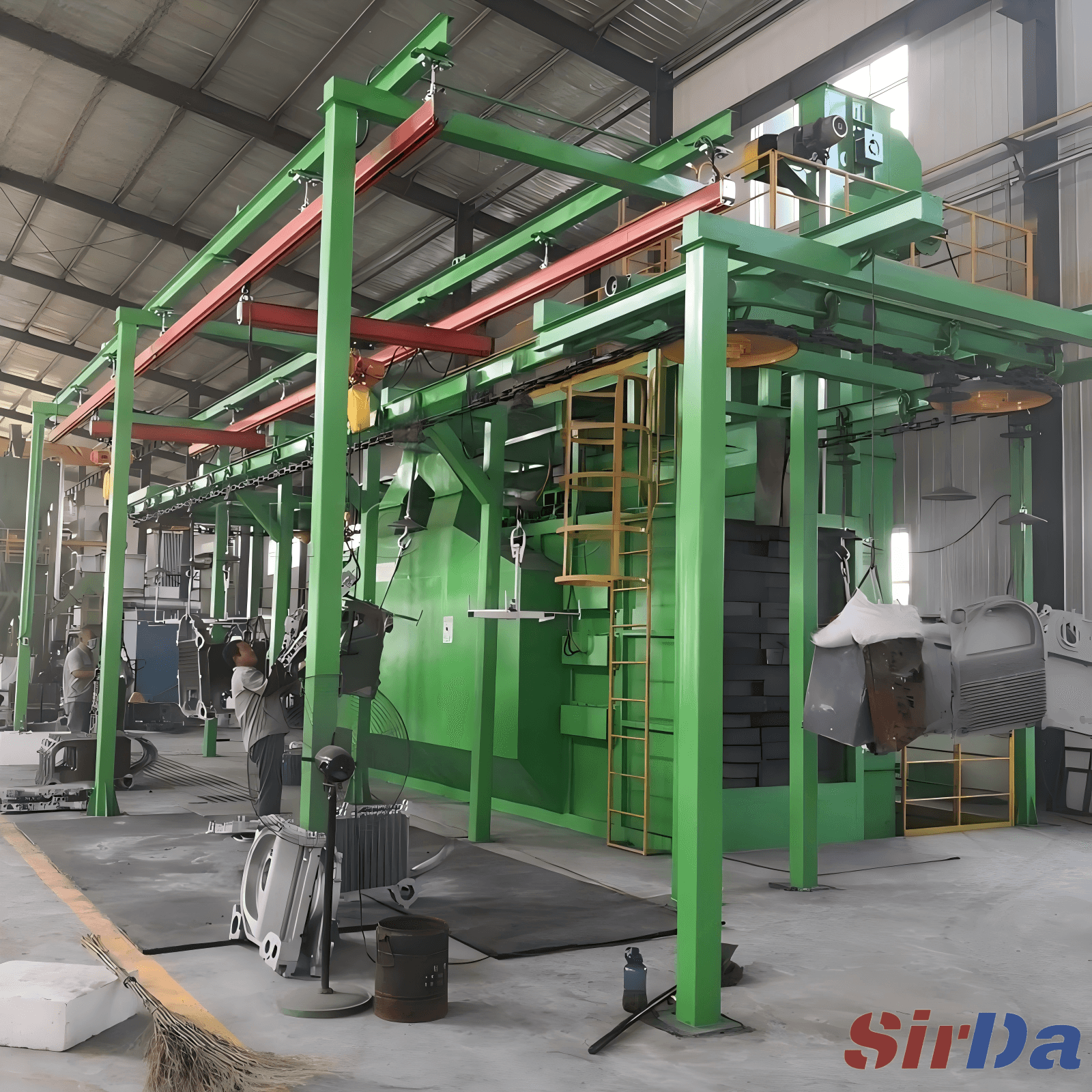
Inside a blast cabinet you cannot fix a defect you cannot see. This guide explains how to specify lighting and dust extraction so operators catch incomplete cleaning, shadow zones and contamination before the part leaves — covering IP-rated LEDs, ATEX/IECEx ratings, airflow per wheel, air changes per hour and the surface checks that matter.
Why you can't inspect what you can't see
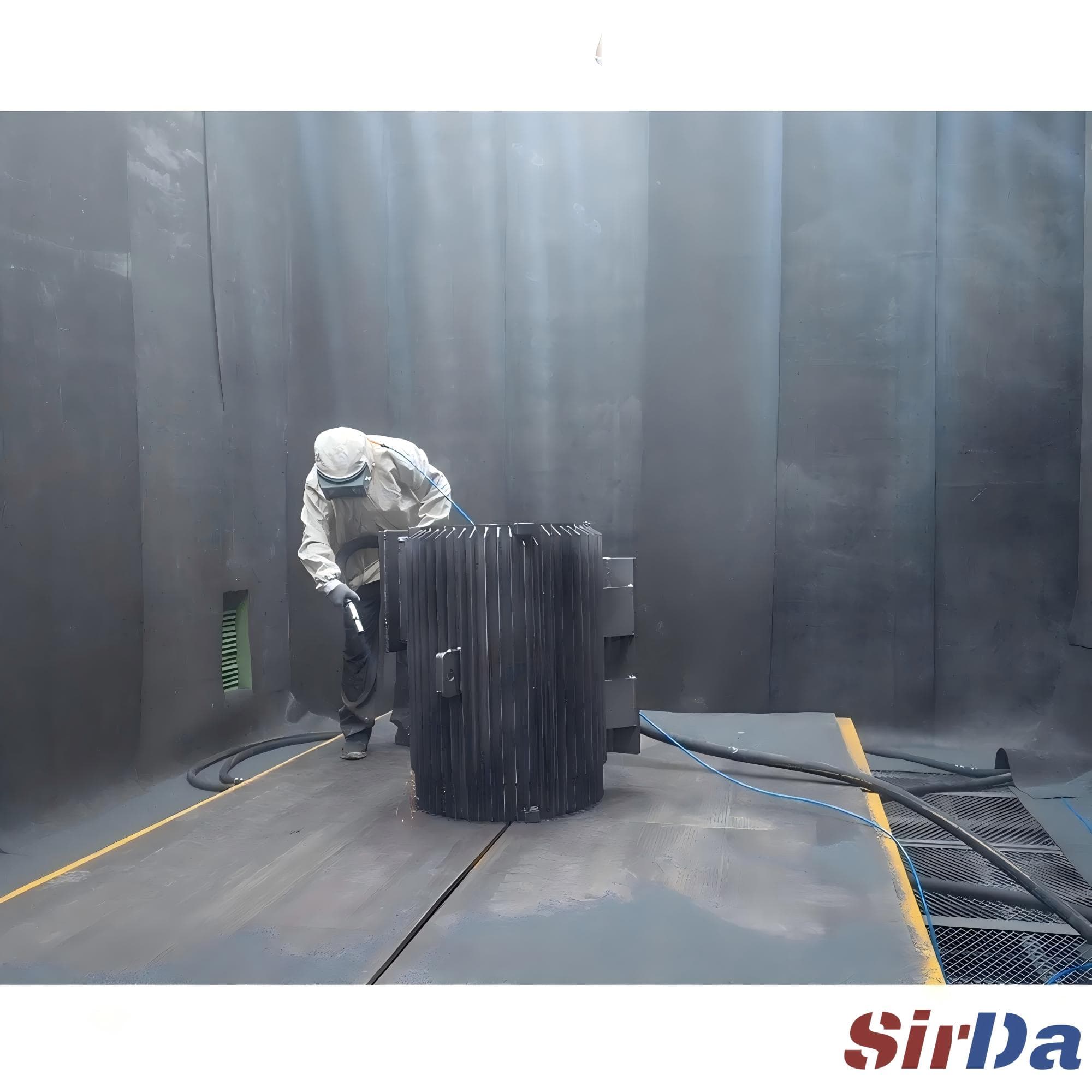
A blast cabinet is, by design, a hostile place to look into. The moment the wheel starts spinning or the nozzle opens, the chamber fills with a suspended cloud of spent media, broken mill scale, and surface contaminants. If the operator cannot see the part clearly, they cannot tell whether a surface is actually clean, whether a recess is still carrying scale, or whether the finish is uniform. Defects that slip past inspection inside the cabinet turn into coating failures outside it — and rework after painting always costs more than a few seconds of checking before the part leaves.
Visibility depends on two independent systems working together: dust removal and illumination. Treat either one as an afterthought and you get a machine that blasts clean but cannot be inspected. The sections below cover how to specify both, and what to look for while the part is still in front of you.
Lighting the enclosure: what actually survives
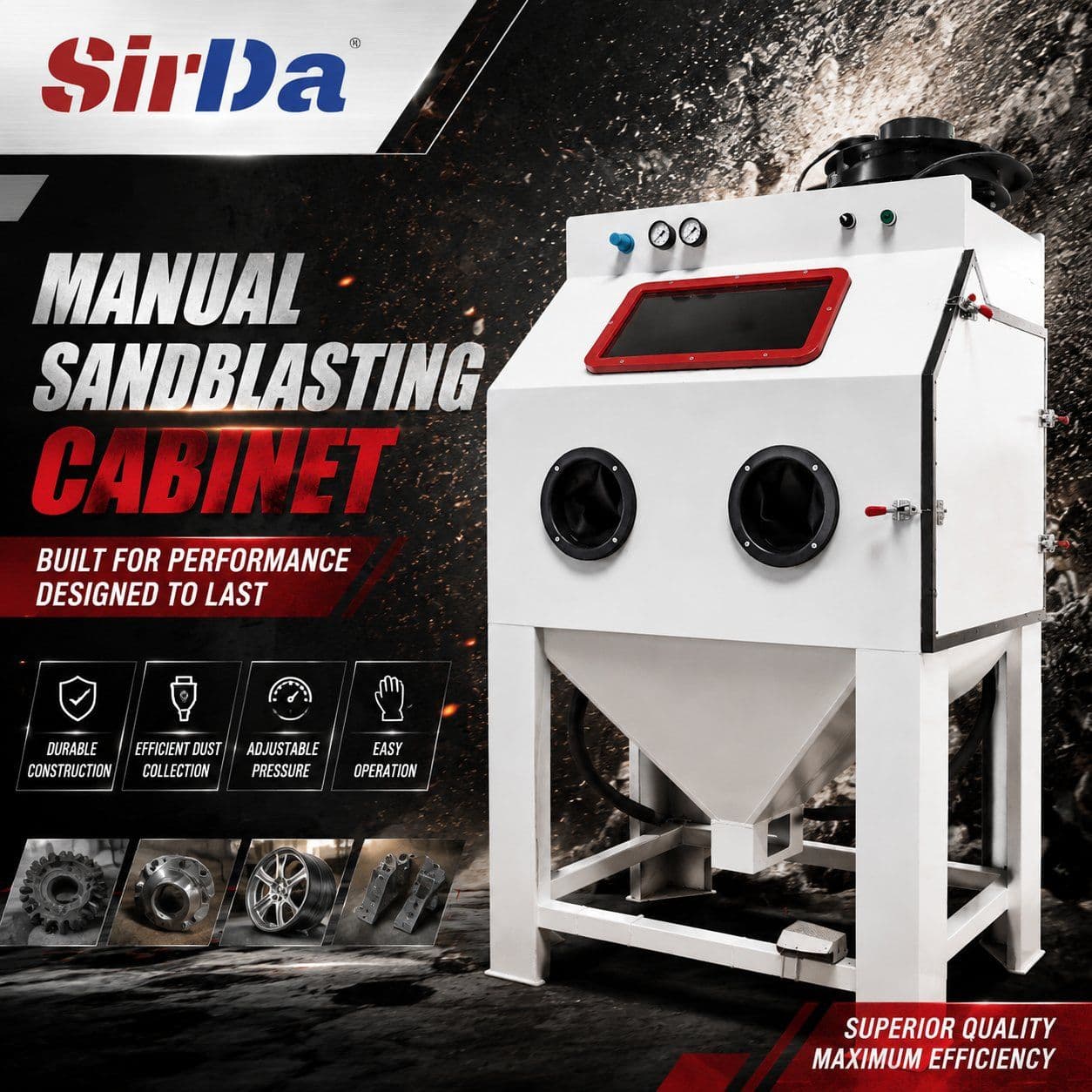
Ordinary industrial luminaires do not last inside a blast enclosure. The lens takes direct hits from rebounding media travelling at tens of metres per second, the housing fills with conductive dust, and any spark in a combustible-dust atmosphere is a compliance problem, not just a maintenance one.
For enclosed blasting, the safe choice is sealed LED fixtures rated IP65 or higher, mounted in protective housings that shield the lens from the abrasive stream. Where aluminium, magnesium, or other reactive dust is present, the luminaire needs dust-ignition protection — ATEX or IECEx certification to Ex d or Ex t, rated for Zone 21/22 dust with a T-class surface-temperature limit. Cool-white LEDs in the 5000–6500 K band give the best contrast for spotting residual scale and uneven finish; modern units deliver 120–160 lumens per watt and run past 50,000 hours.
Placement matters as much as the fixture. Lights should wash the work evenly, not glare into the operator's eyes or cast hard shadows into corners where defects hide. They must be secured against vibration and impact, because a loose fitting eventually ends up on the floor. A small pressure-blast cabinet might be lit to around 750 lux with two 18 W fittings; a full blast room needs a layout calculated per square metre of work surface, not a lux figure copied from a brochure.
The failure modes are predictable:
- Lens dust loading — a thin film of fine dust on the cover cuts output and creates uneven hot spots long before anyone notices.
- Abrasive fracture — a direct hit can craze or shatter a poorly protected lens, dropping glass into the chamber.
- Glare — an unshielded LED aimed at the operator causes eye strain and hides subtle defects.
- Shadow zones — fixtures placed only on the ceiling leave recesses and underhangs in permanent dusk.
Dust removal is the other half of the visibility problem
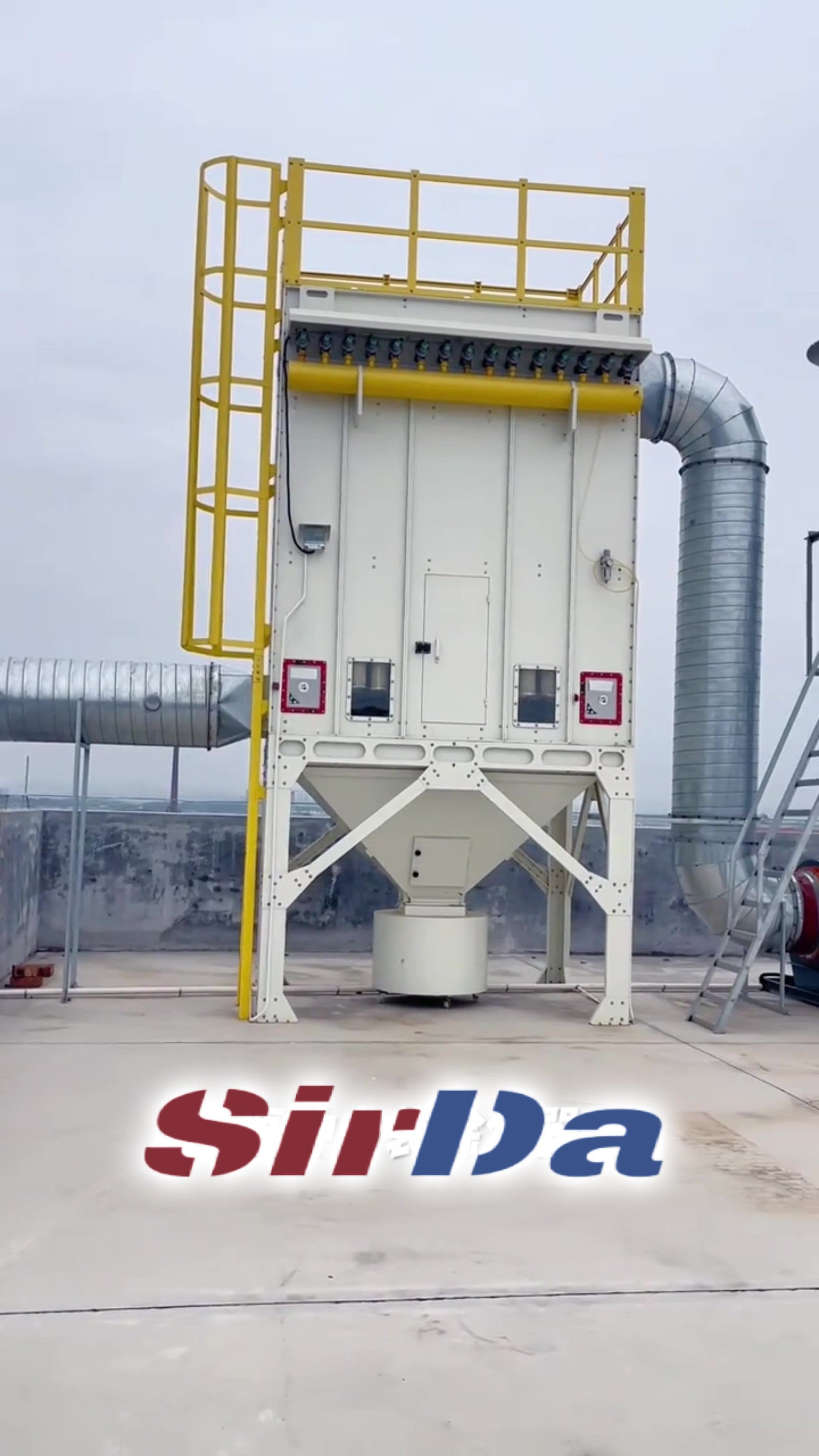
Even perfect lighting is useless if the air is opaque. The dust cloud has to be removed faster than it is generated, and that is an airflow problem, not a filter-brand problem.
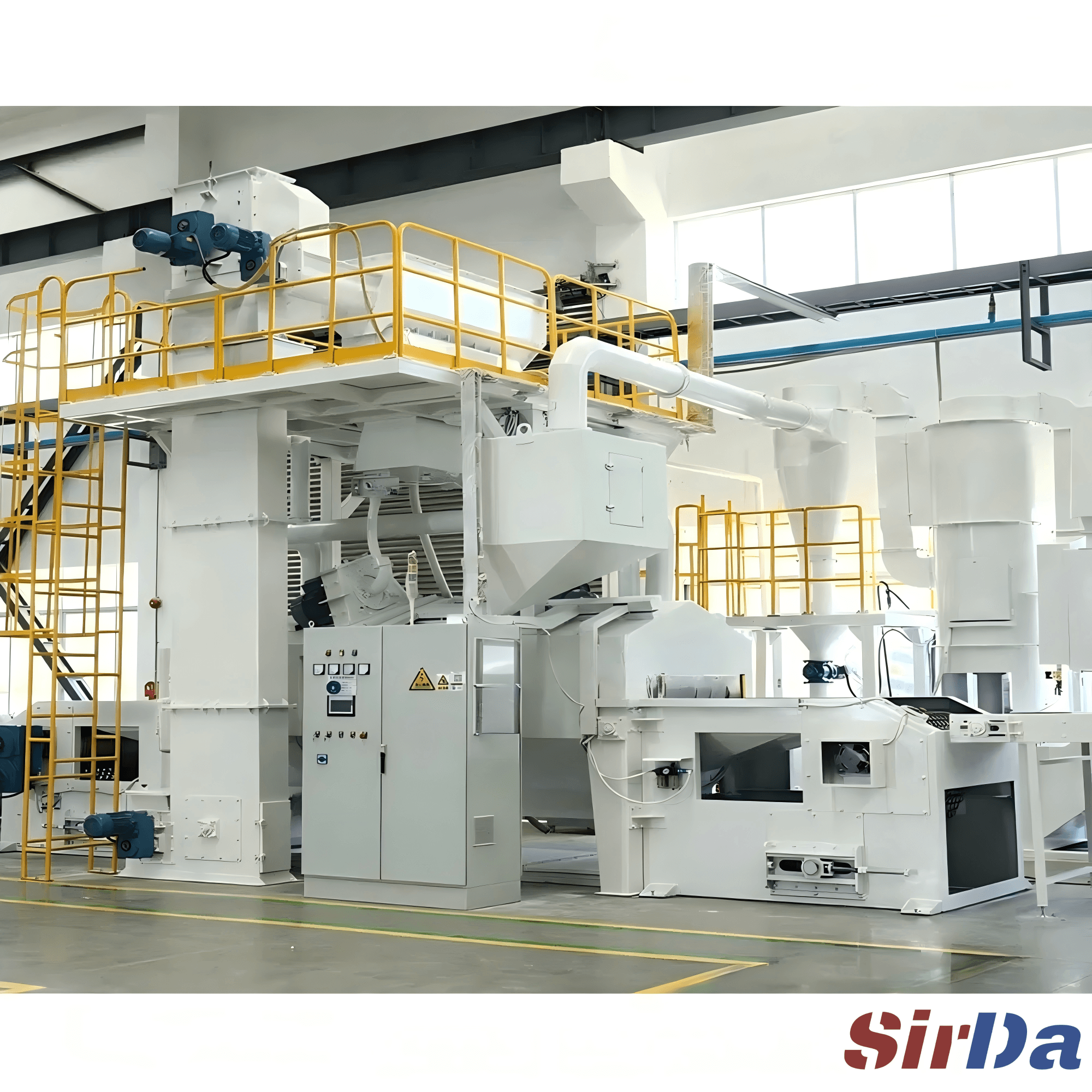
A workable starting point: allow 8–15 m³/min of extraction per blasting wheel, taking the upper end for fine or friable abrasives and for parts with heavy scale or coating. On top of that, standards such as EN ISO 23779:2025 call for at least 60 air changes per hour in the blasting chamber, so a dust cloud cannot accumulate and visibility recovers within seconds of the wheels stopping. For a 12 m³ chamber that alone is 12 m³/min; combined with wheel-driven dust, a two-wheel hanger machine lands near 36–40 m³/min of design airflow.
Duct velocity keeps the dust airborne: hold 18–25 m/s, about 20 m/s nominal. Below 18 m/s heavy particles settle and eventually block a horizontal run; above 25 m/s you abrade the elbows and waste fan power. Filter area follows the air-to-media ratio, typically 0.8–1.2 m/min for cartridge filters — lower for aluminium and coating dust — and a well-designed collector should hold residual dust below 2 mg/Nm³ with 99.99% capture at 0.5 µm.
Two details separate a cabinet that stays clear from one that feathers dust into the corners. First, computational airflow design with guide vanes removes the vortices that trap dust in corners and kill visibility. Second, watch differential pressure across the filters: a slow rise is normal loading, a sudden spike signals blinded media or a failed pulse valve, and a sudden drop usually means a torn cartridge is passing dirty air straight through.
What to look for before the part leaves the cabinet
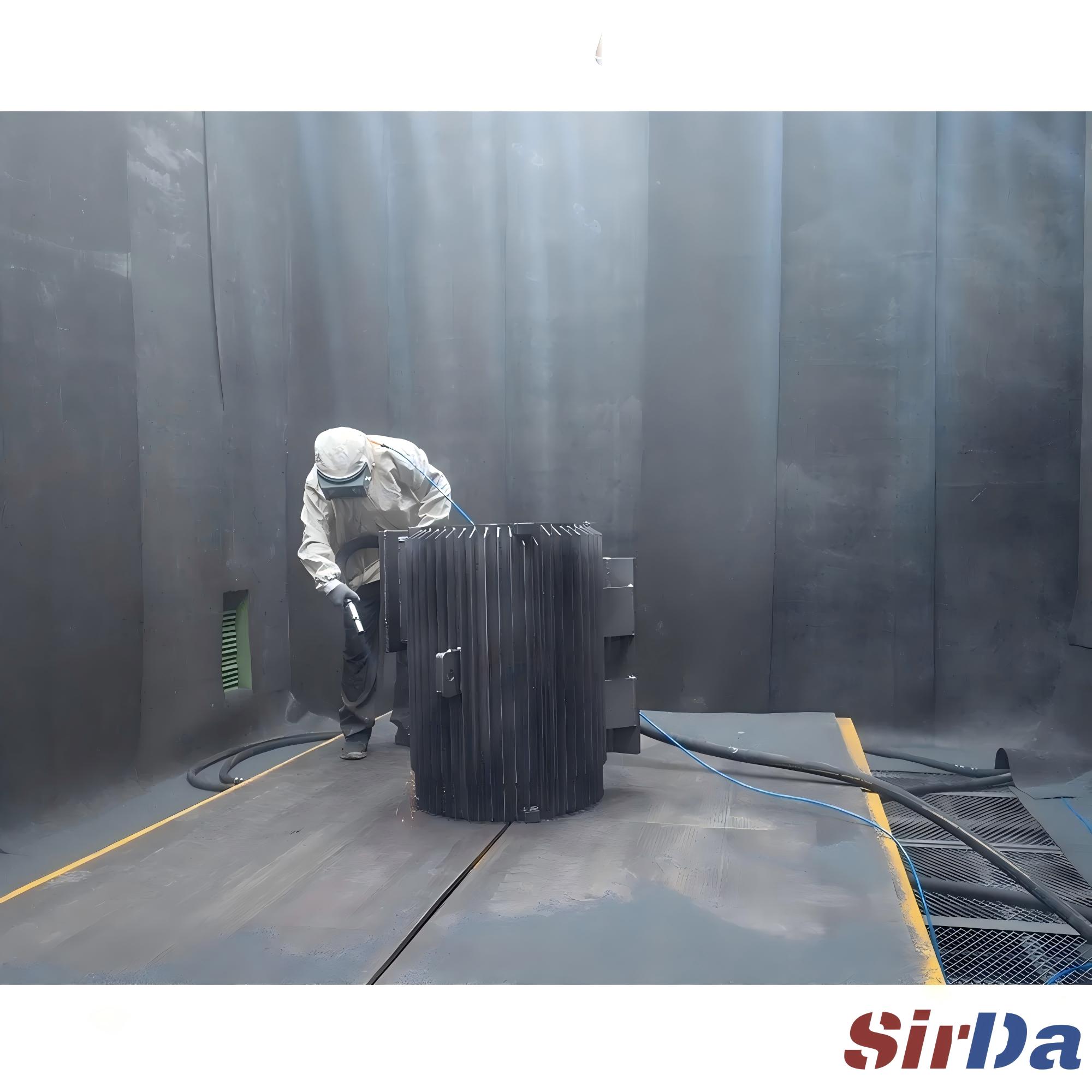
With the enclosure lit and clear, inspection becomes a repeatable checklist rather than a hope. The defects that matter most:
- Incomplete cleaning — patches of mill scale or rust left behind because intensity was low, the conveyor ran too fast, blades were worn, or the shot size was wrong for the part.
- Shadow zones — geometry the shot stream cannot reach: stiffeners, brackets, pipe intersections, complex weldments. These need added wheels, part rotation, slower line speed, or a manual touch-up.
- Excessive roughness — usually large shot, too much grit in the mix, high wheel speed, or a degraded separator letting fractured particles circulate.
- Embedded contaminants and flash rust — oil film, soluble salts, or rust appearing before coating because humidity was high, compressed air carried moisture, or the transfer to paint was delayed.
- Dust residue — the surface can look clean while a film of fines still sits on it; that film quietly destroys coating adhesion.
- Profile and peening intensity — measure the anchor pattern and, for peening, the Almen strip, rather than trusting appearance.
Abrasive selection feeds straight into visibility. Finer media and a working mix carrying too many fines throw more dust and reduce impact efficiency, which is why separator performance and regular screen checks matter as much as the lamp. And inspection has to fit the cycle: a brighter cabinet only pays off if the operator actually has time to look. When blasting is fast but the paint booth is the bottleneck, the right move is rarely a faster machine — it is a clearer one, with inspection built into the takt instead of bolted on after a coating failure.