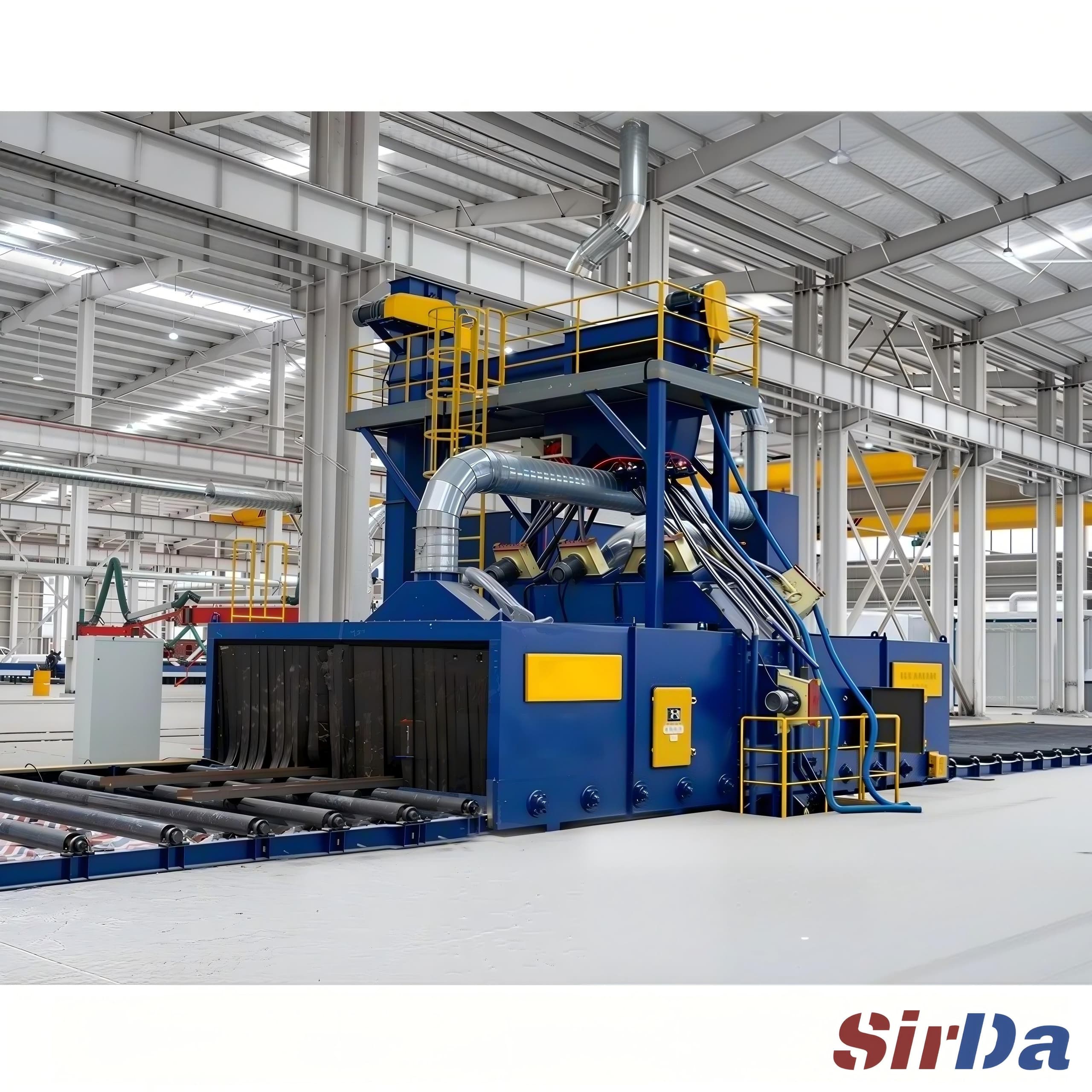
Deburring small precision parts in bulk
Hand-filing burrs off thousands of small parts wastes margin and drifts operator to operator. Batch blasting makes deburring a controlled process — if you match the media to the part, size the batch by cycle math, and handle the fine dust.
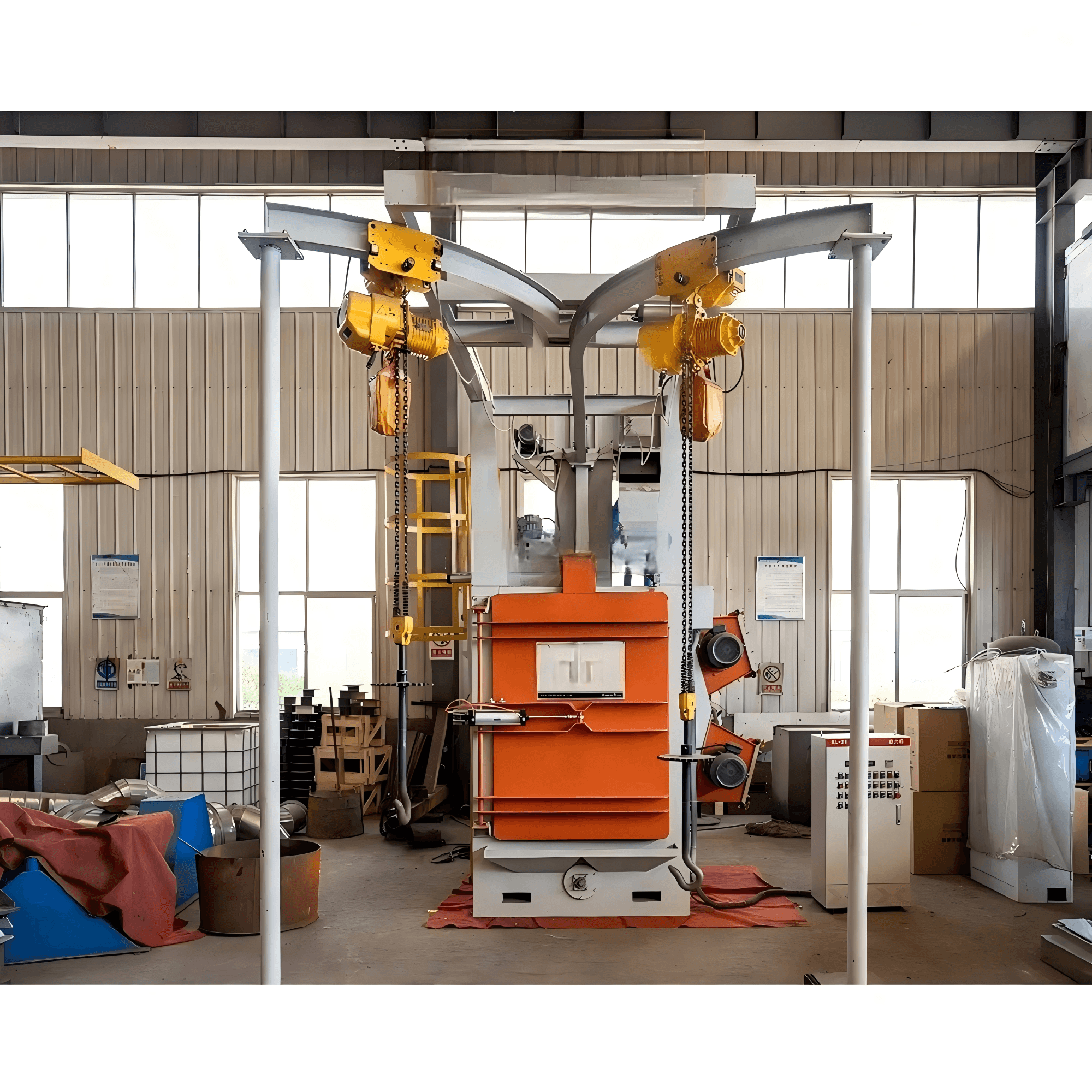
Why bulk deburring belongs in a tumble blaster
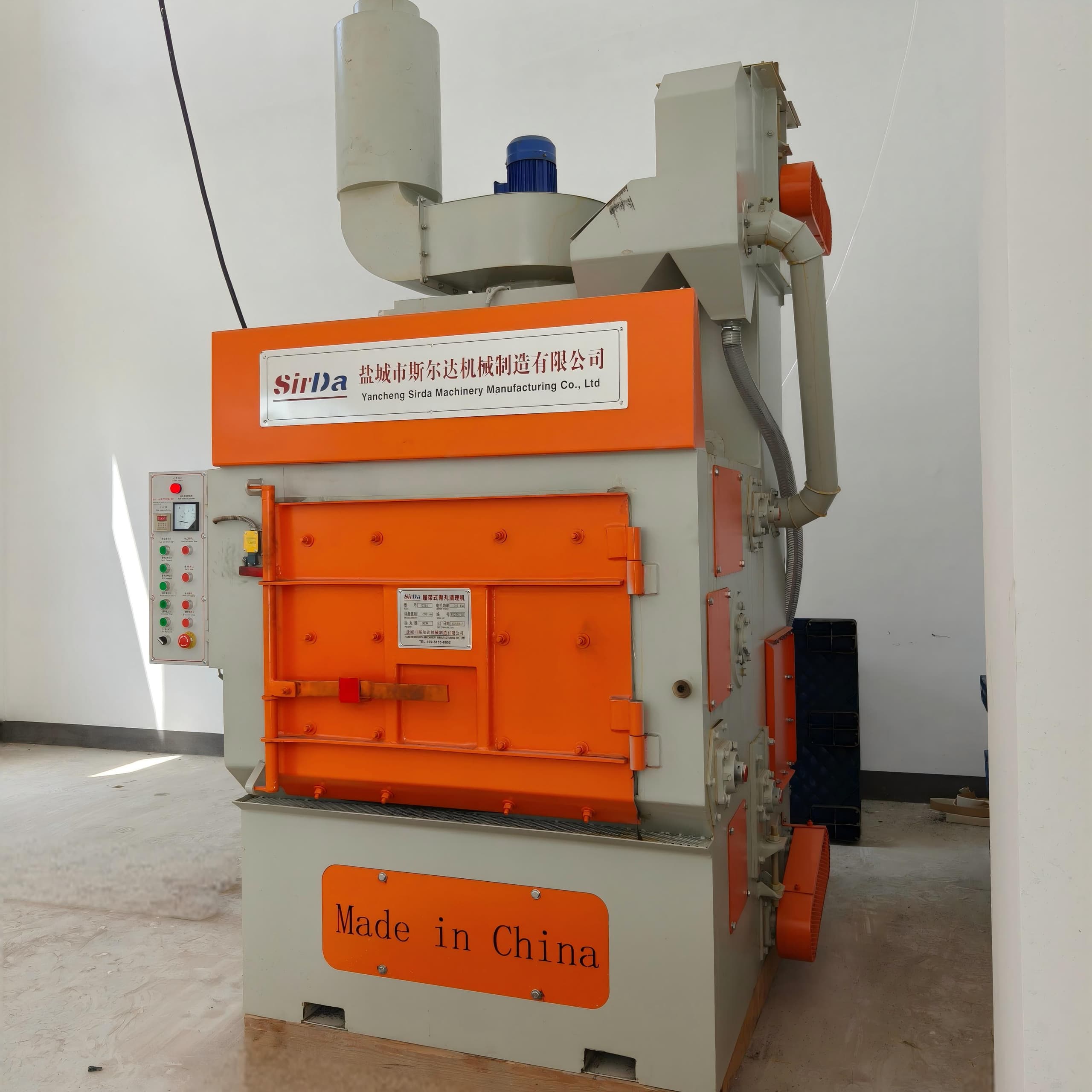
Deburring thousands of small machined parts by hand is the kind of job that quietly eats a shop's margin. Each edge that needs a file stroke is a few seconds multiplied by a six-figure annual volume, and hand work is inconsistent by definition — one operator leaves a radius, the next leaves a feather. Batch blasting collapses that variable into a controlled, repeatable process. You load the parts, close the door, and the blast wheels do the same thing to every part in the batch. The trade-off is that you stop controlling each part individually and start controlling the process: media, time, and machine settings. Get those right and bulk blasting beats hand work on cost, consistency, and throughput at the same time.
Abrasive selection: match the media to the part
The single biggest mistake in bulk deburring is treating media as a commodity. For small, detailed parts — precision gears, fasteners, stamped brackets — you want fine, round media that reaches into geometry without gouging it. Steel shot in the S170–S330 range (roughly 0.45–0.84 mm) is the workhorse for ferrous parts: spherical, long-lived, and gentle enough to deburr without peening the part out of tolerance. For stainless, aluminium, brass, or plated components, switch to stainless or glass media so you do not embed ferrous contamination that later rusts or ruins a coating.
- Steel shot S170–S330 (0.45–0.84 mm) — general ferrous deburring; spherical profile keeps edge rounding predictable.
- Stainless shot 0.1–0.3 mm — tiny precision parts, springs, and anything that must stay non-ferrous.
- Glass bead 100–200 µm — cosmetic aluminium surfaces where you want a uniform matte finish, not material removal.
- Ceramic media (B20–B60) — harder than glass, for tougher alloys that still cannot take steel.
- Avoid cut-wire or grit on delicate parts — the angular cutting action that strips scale will also tear a fine edge.
A useful rule: pick the smallest media that still removes the burr in the available cycle. Smaller media means more exposure time and a tighter control band; larger media removes material faster but widens the tolerance window.
Cycle time math: size the batch, not the catalogue
Catalogue capacity numbers are where most buyers oversize the wheel and undersize the dust collector. Work backwards from your actual parts. A 100 kg batch of 0.5 kg heat-sink-style parts typically cleans in 6–10 minutes; the same 100 kg of 5 kg brackets needs 12–20 minutes because the larger parts shadow each other and need more exposure turns. Throughput is simply:
parts per hour ≈ (batch capacity ÷ cycle time) × utilisation
So a 100 kg batch at a 7-minute cycle runs roughly 8–12 tonnes per shift; push the cycle to 15 minutes and the same machine drops to 3–4 tonnes. Blast wheels on a tumble line run 7.5–22 kW each, and tumbling speed matters: delicate alloys at 5–8 RPM, sturdy steel at 10–15 RPM. Set the wheel too hot on light parts and you pit the surface; too soft on heavy parts and sand stays in the recesses. PLC-controlled wheel speed lets you change intensity per batch from the panel instead of stopping the line.
Dust collection: fine debris is the real load
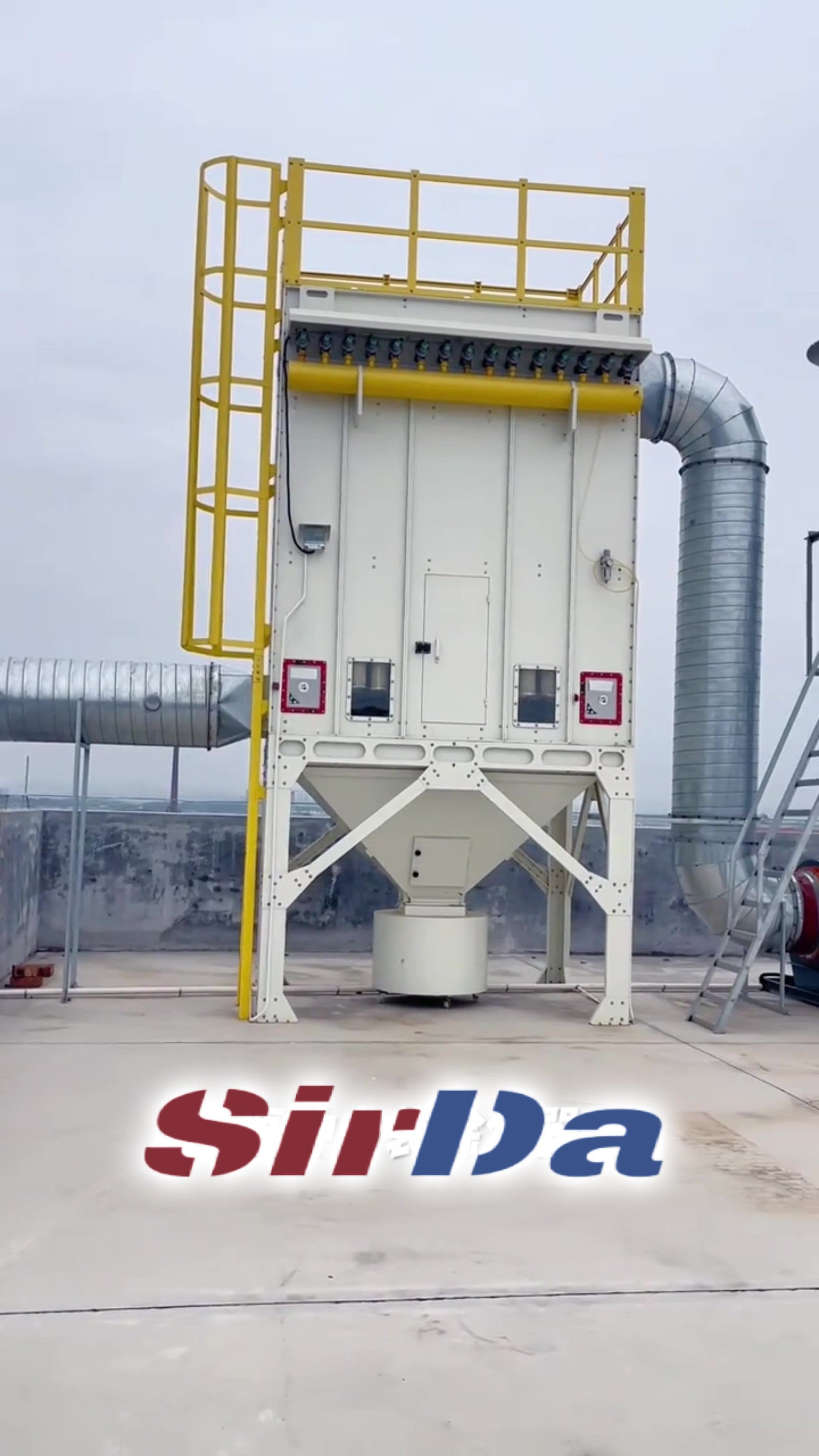
Bulk deburring generates far more fine dust than the visible chips suggest, and that fine load is what kills a cheap collector. The operating rule of thumb is 4,000–6,000 m³/h of air volume per blast wheel, paired with a 5.5–11 kW induced-draft fan. Undersize it and you change filters every 3–6 months instead of 12–15, while abrasive life falls. Use nanofiber cartridge filters rated MERV 15 or better — they capture 85% of particles at 0.3–1 µm and hold up through repeated reverse-air pulses — and put a cyclone pre-separator ahead of them to strip the heavy fraction before it reaches the media.
If any of your parts are aluminium, magnesium, titanium, or zirconium, NFPA 484 treats the dust as reactive and combustible. That means a dedicated collector installed outside the building, explosion relief per NFPA 68, isolation valves per NFPA 69, grounding per NFPA 77, and never mixing reactive dusts in one hopper. Skip this and you fail stack tests inside the first year.
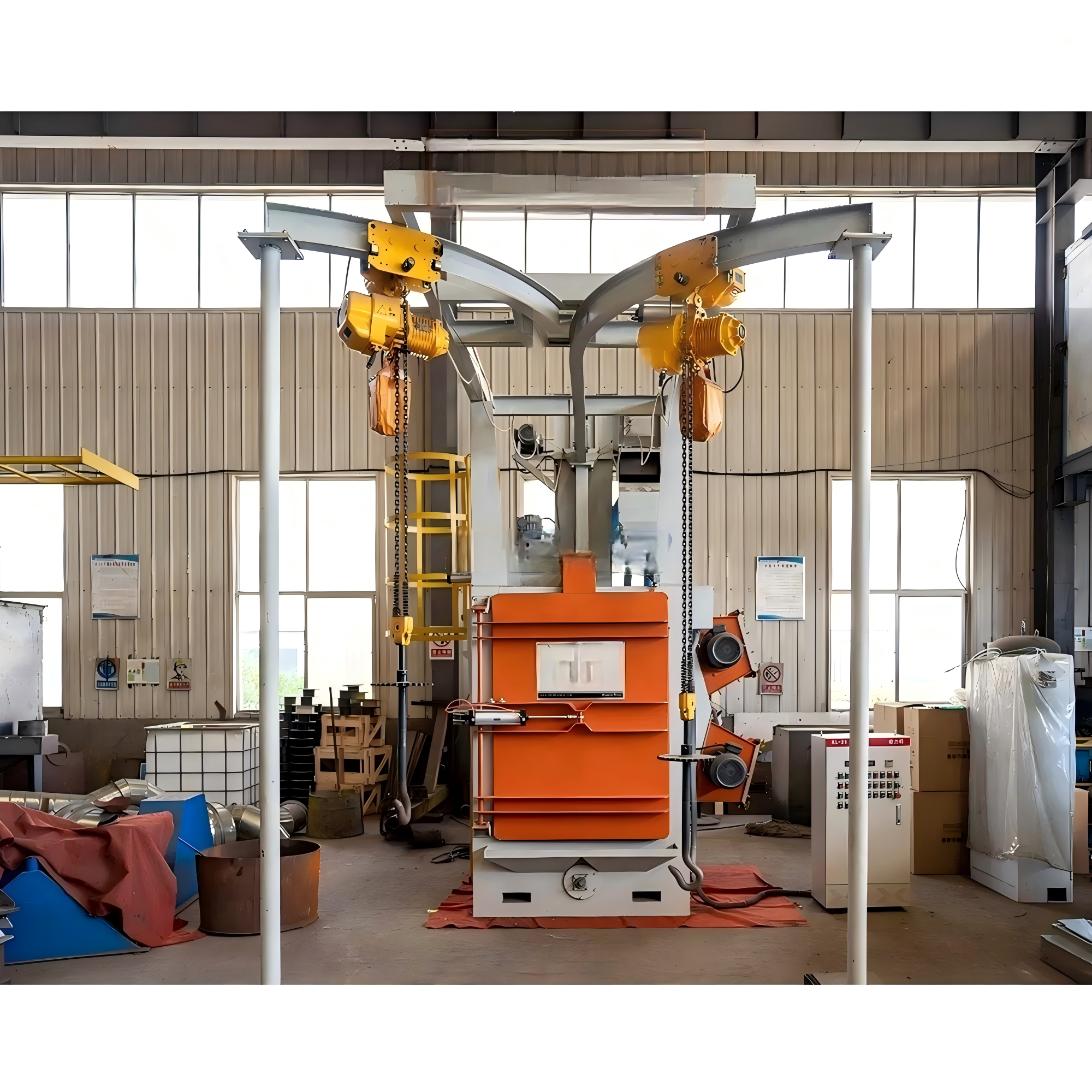
Common failure modes
- Over-blasting — the most expensive error on precision parts. Too much exposure rounds the very edges you are trying to clean, pushing the part out of tolerance. Control it with media size and a timed cycle, not a "run it longer" habit.
- Ferrous contamination — steel media on stainless or aluminium leaves embedded iron that rusts or rejects a plating line. Separate reclaim circuits, or use non-ferrous media from the start.
- Part-on-part impingement — fragile, threaded, or ground-bearing parts get damaged by tumbling impact. If a part has precision threads or a finished bearing surface, it belongs on a hook or mesh line, not in a drum.
- Media breakdown — as shot fractures, the fines load the dust collector and the size distribution drifts, so the finish changes batch to batch. A magnetic drum plus air-wash separator keeps usable media in the loop.
- Uneven exposure — mixed-size batches clean unevenly because large parts shadow small ones. Sort by family, or accept a longer cycle for the worst-case part.
Bulk deburring is less about the machine and more about the discipline around it. Choose media by the part, size the batch by the math, vent the fine dust properly, and the tumble blaster will hold tolerance and throughput long after the hand-filing station has been retired.